As the year came to a close in late December 2025, the Jain family traded the hustle and bustle for a fun, history-filled 4-day coastal road trip from Florida’s Atlantic shore to Georgia’s Lowcountry. What started as a fun trip through the First Coast and Georgia Lowcountry became one of awe and wonder. There was so much of Florida and Georgia that we had just not seen. It was 486 miles of roaring race tracks, historic St. Augustine, haunting driftwood beaches, centuries-old live oaks dripping with Spanish moss, and the elegant charm of Savannah.
I tracked every mile, photo, and highlight live on Polarsteps, and you can explore the full interactive map, day-by-day timeline, and all our pictures right here:
👉 View the full “Florida – Georgia Trip 2025” on Polarsteps
In this post, I’m sharing Day 2 of the trip: St. Augustine, all the must-see stops along Florida’s First Coast, plus practical tips and hidden gems to help you plan your own Southeast road trip.
- Day 1: Daytona Beach, Florida
- Day 2: St. Augustine, Florida
- Day 3: Jekyll Island & St. Simons Island, Georgia
- Wormsloe & Savannah, Georgia
Day 2: St. Augustine – Lighthouses, Ancient Forts & America’s Oldest City
The next morning, we left Jacksonville bright and early around 8:00 a.m. for the short ~50-minute drive south to St. Augustine. We opted for an early start mainly due to conflicting reports about parking availability in the historic district. We wanted to beat the crowds and secure a good spot without stress.
Upon arriving, one of the best parking spots (with a fee, of course) was the Historic Downtown Parking Facility. This parking deck is near the visitor center, offering quick access to clean restrooms and free brochures and guidebooks. Just be mindful about guides trying to upsell the local experiences (such as some of the tourist traps)
One clear example of a tourist trap is the Colonial Quarter. If you’re a serious history buff, it’s not worth the visit. Almost nothing inside feels authentic. It’s more of a theatrical show than a genuine historical experience. You’ll find far better, more authentic demonstrations of colonial life and blacksmithing at real National or State Historic Sites, such as Fort Vancouver in Vancouver, Washington, or Historic Halifax in Halifax, North Carolina – see blog entry (Halifax Resolves – 250 Years Later)
History:
Before diving into the main highlights of the city, here’s a bit of background: St. Augustine, founded on September 8, 1565, by Spanish admiral Pedro Menéndez de Avilés, is the oldest continuously inhabited European-established settlement in the continental United States. Named in honor of St. Augustine of Hippo (whose feast day coincided with the first sighting of land), it predates Jamestown by 42 years and Plymouth Rock by 55 years.
For over two centuries, it served as the capital and military stronghold of Spanish Florida, surviving attacks, sieges, and shifts in colonial power, including a brief British occupation, before finally becoming part of the United States in 1819. Today, its narrow cobblestone streets, coquina walls, and historic buildings preserve a rich tapestry of Spanish, British, and early American heritage.
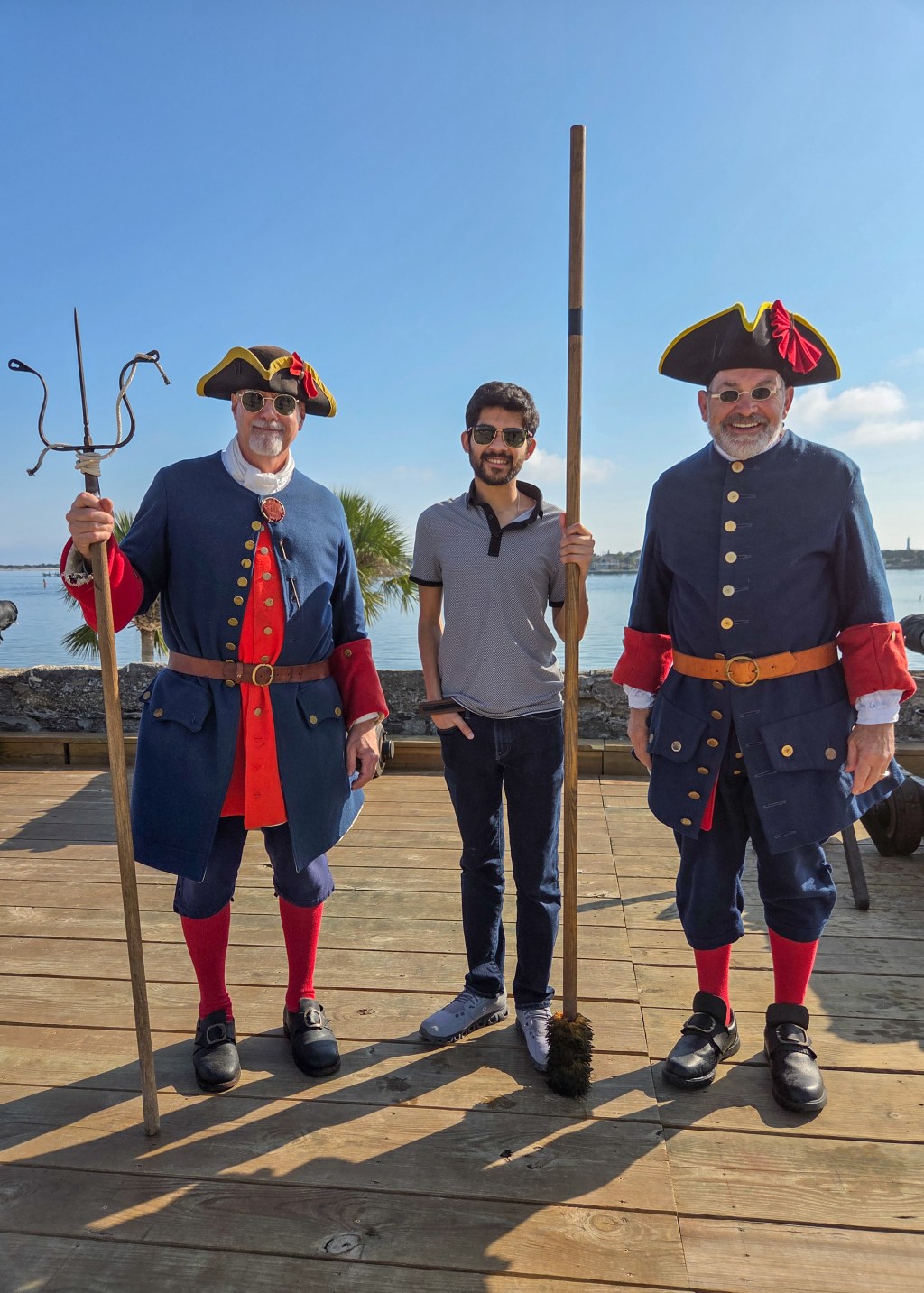
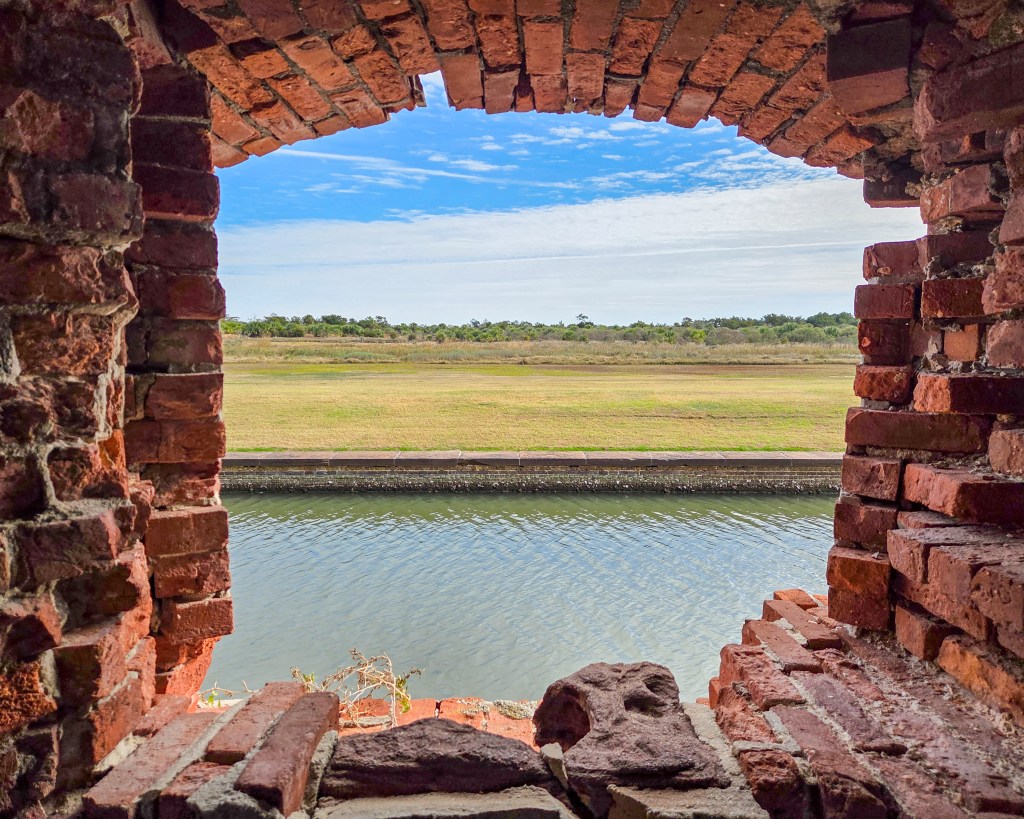
For over two centuries, the Castillo de San Marcos in St. Augustine defended the city. Castillo de San Marcos National Historic Site is one of St. Augustine’s true must-sees and stands in stark contrast to the more commercial tourist traps. Built by the Spanish between 1672 and 1695, it is the oldest masonry fort in the continental United States. Constructed from durable local coquina shell stone (which famously absorbed cannon fire rather than shattering), the star-shaped fortress protected the city and the vital Atlantic trade route for centuries under Spanish, British, and later American control. It never fell in battle despite multiple sieges.
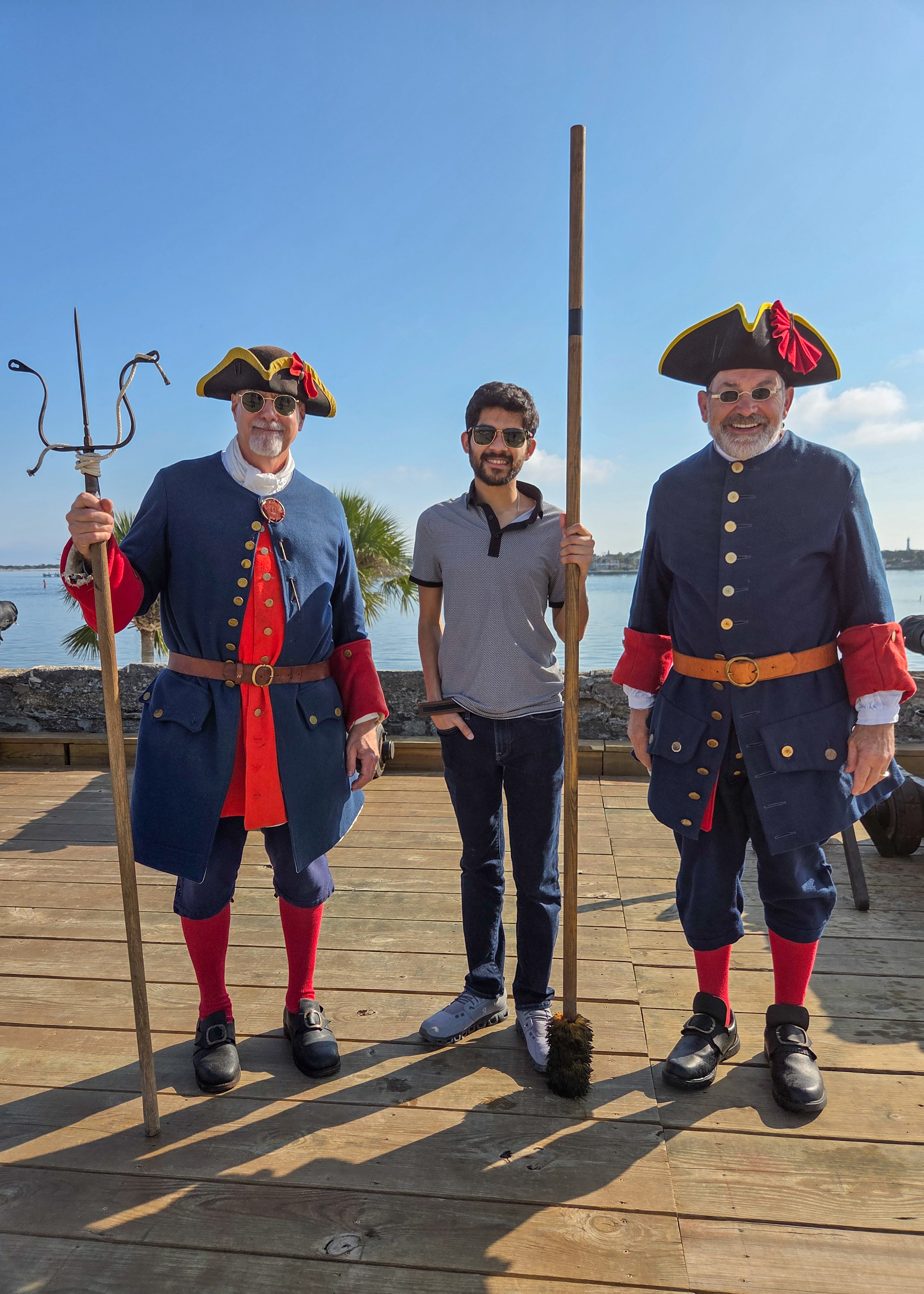
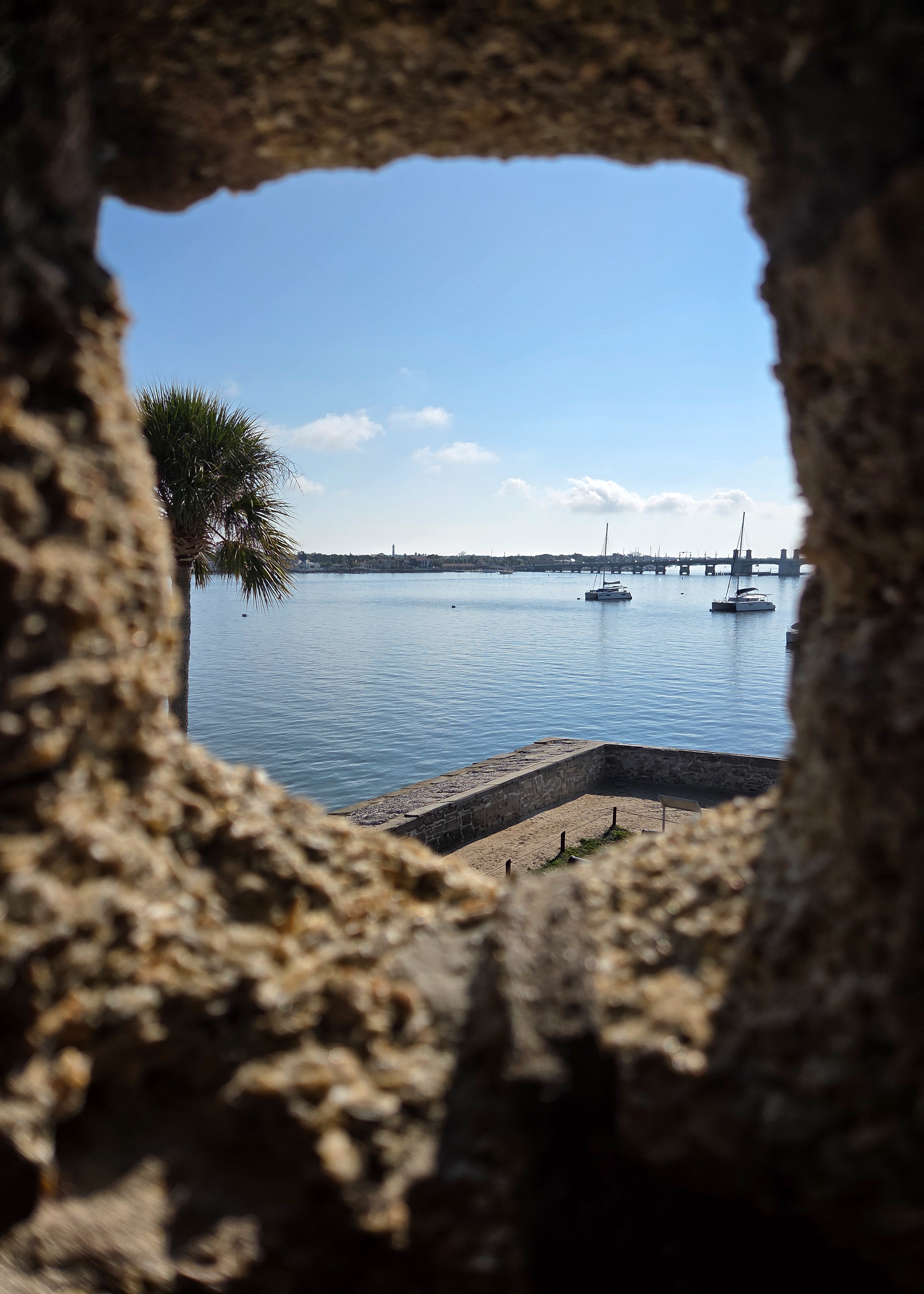
What to see inside: Explore the lower level rooms (barracks, prison cells, storage, and chapel), climb to the upper gun deck for sweeping views over Matanzas Bay and the historic city skyline, admire the historic cannons, and walk the moat walls and ravelin with its drawbridge entrance. On weekends, catch the cannon-firing demonstrations and ranger talks for added immersion.
Tips for visitors: Plan on 1–2 hours for a relaxed self-guided visit. Wear comfortable shoes as there are plenty of stairs, ramps, and uneven coquina surfaces throughout the fort. Bring water (especially on hot Florida days), and check the schedule upon arrival for live demonstrations such as cannon firings, which typically occur on weekends at 10:30 a.m., 11:30 a.m., 1:30 p.m., 2:30 p.m., and 3:30 p.m. (weather and staffing permitting).
National Park passes are accepted and make entry free for the entire family. Standard admission is $15 for adults (ages 16 and older) and valid for 7 consecutive days; children 15 and under enter free when accompanied by an adult. Unlike the staged feel of some nearby attractions, this is authentic, well-preserved history managed by NPS.
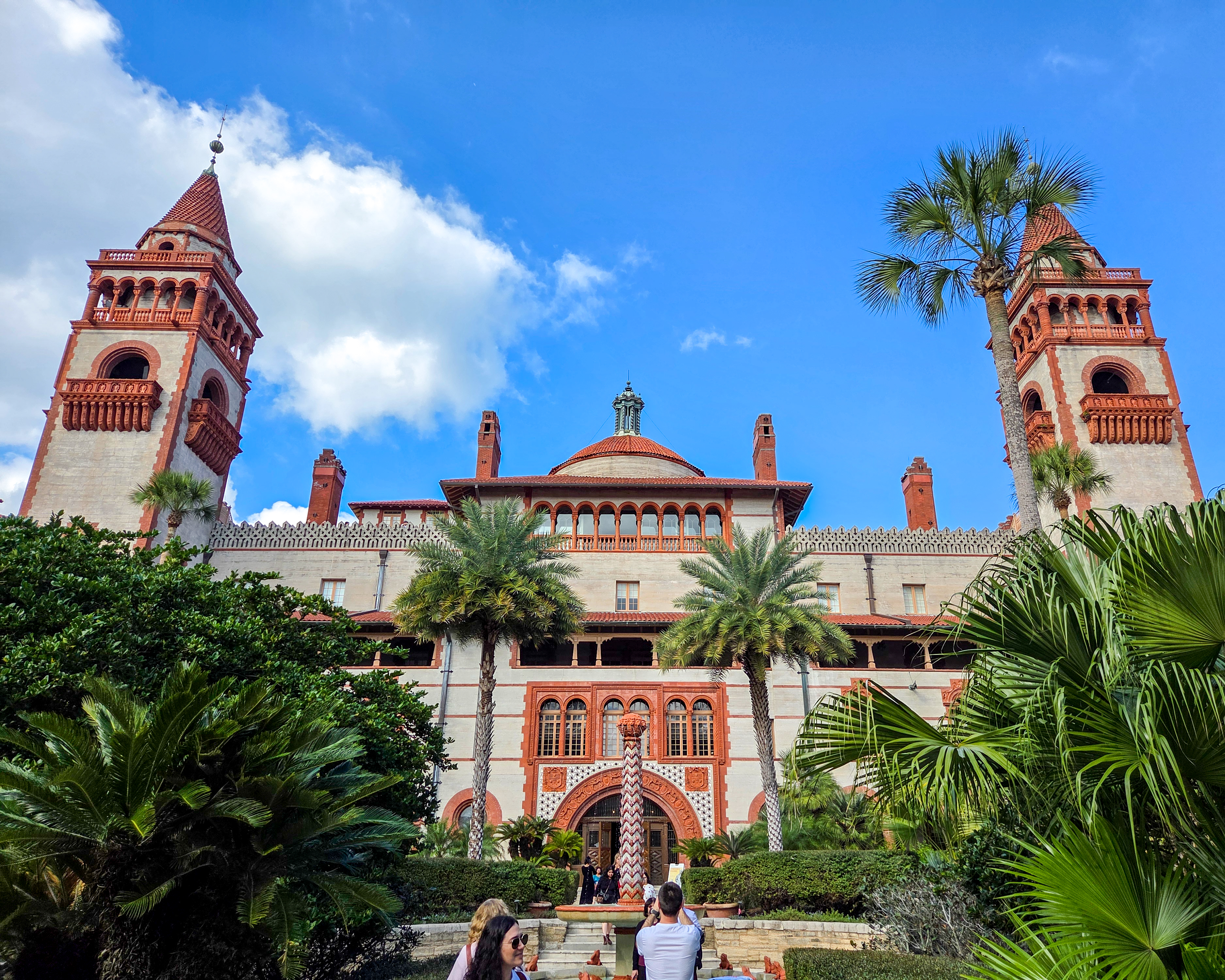
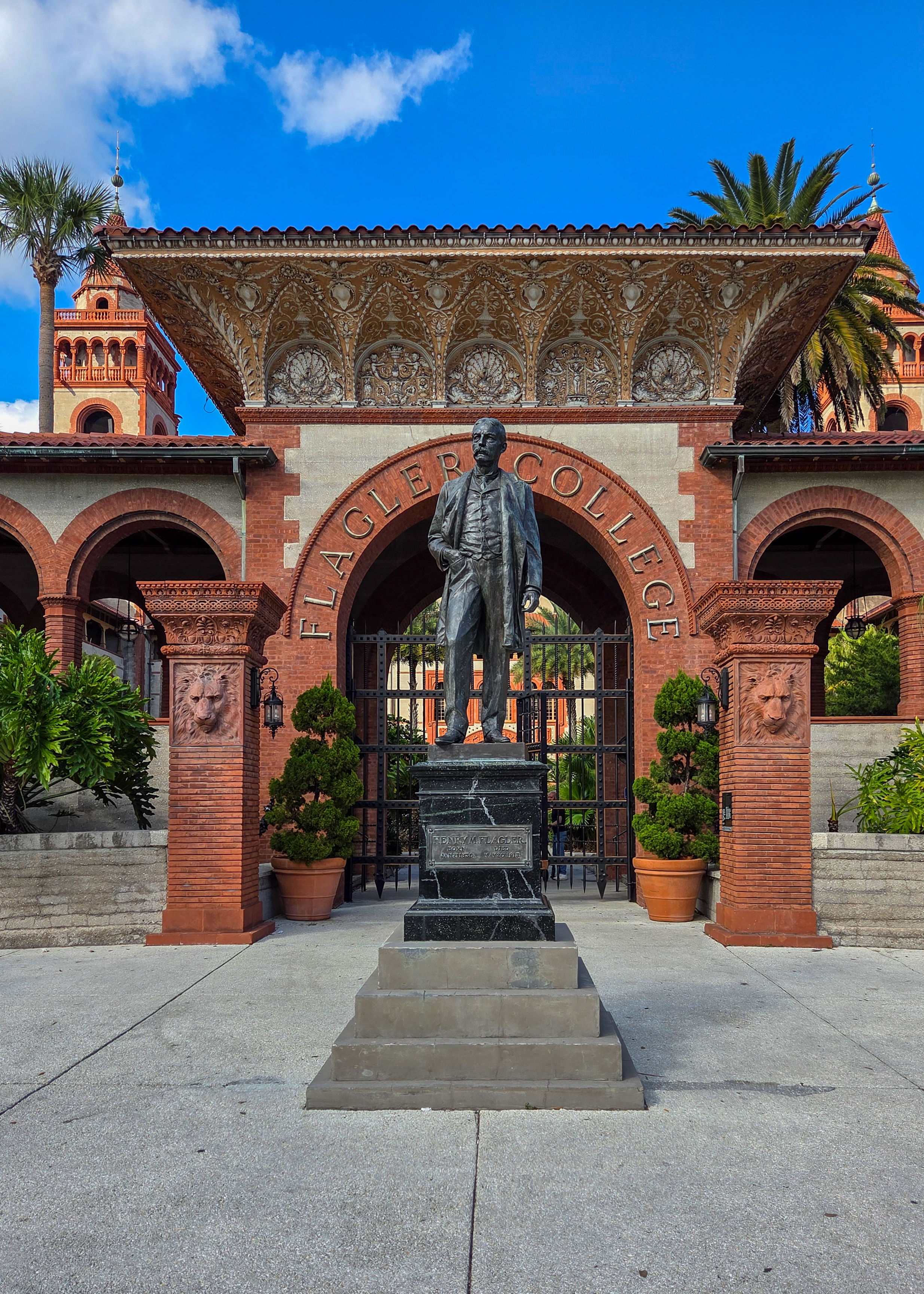
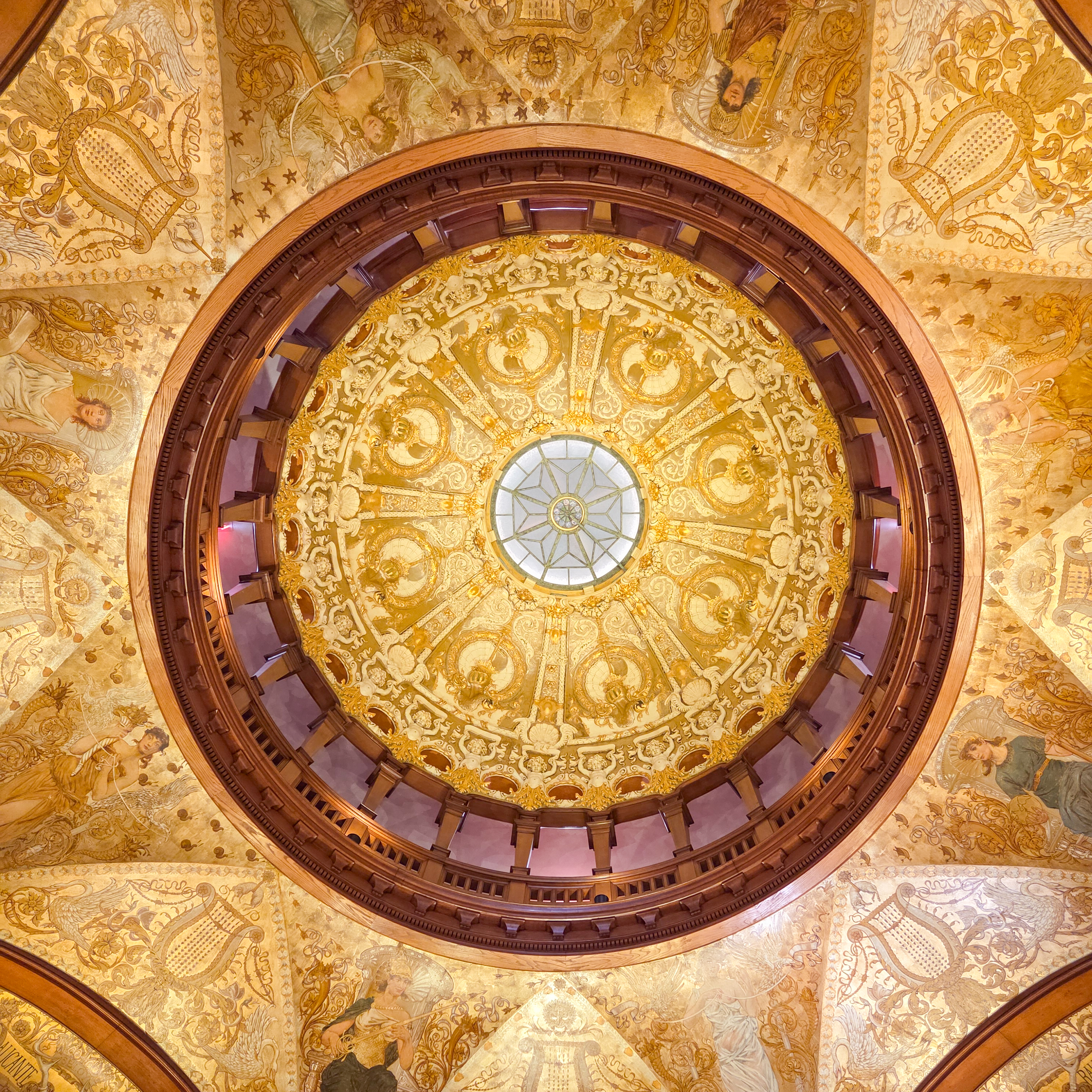
One architectural highlight you’ll encounter while exploring on foot is the former Hotel Ponce de Leon, now the centerpiece of Flagler College. Built in 1888 by railroad magnate and Standard Oil co-founder Henry M. Flagler, this opulent Spanish Renaissance Revival building was the first of his grand Florida resorts. It helped spark the Gilded Age tourism boom in St. Augustine with its poured-concrete construction, lavish interiors, and stunning details like Tiffany glass. Today, the grand Ponce de Leon Hall remains an active part of the college campus. You can admire the exterior and courtyard for free or join a guided historic tour (usually offered at set times – link provided above) to see the magnificent rotunda, painted ceilings, and preserved parlors.
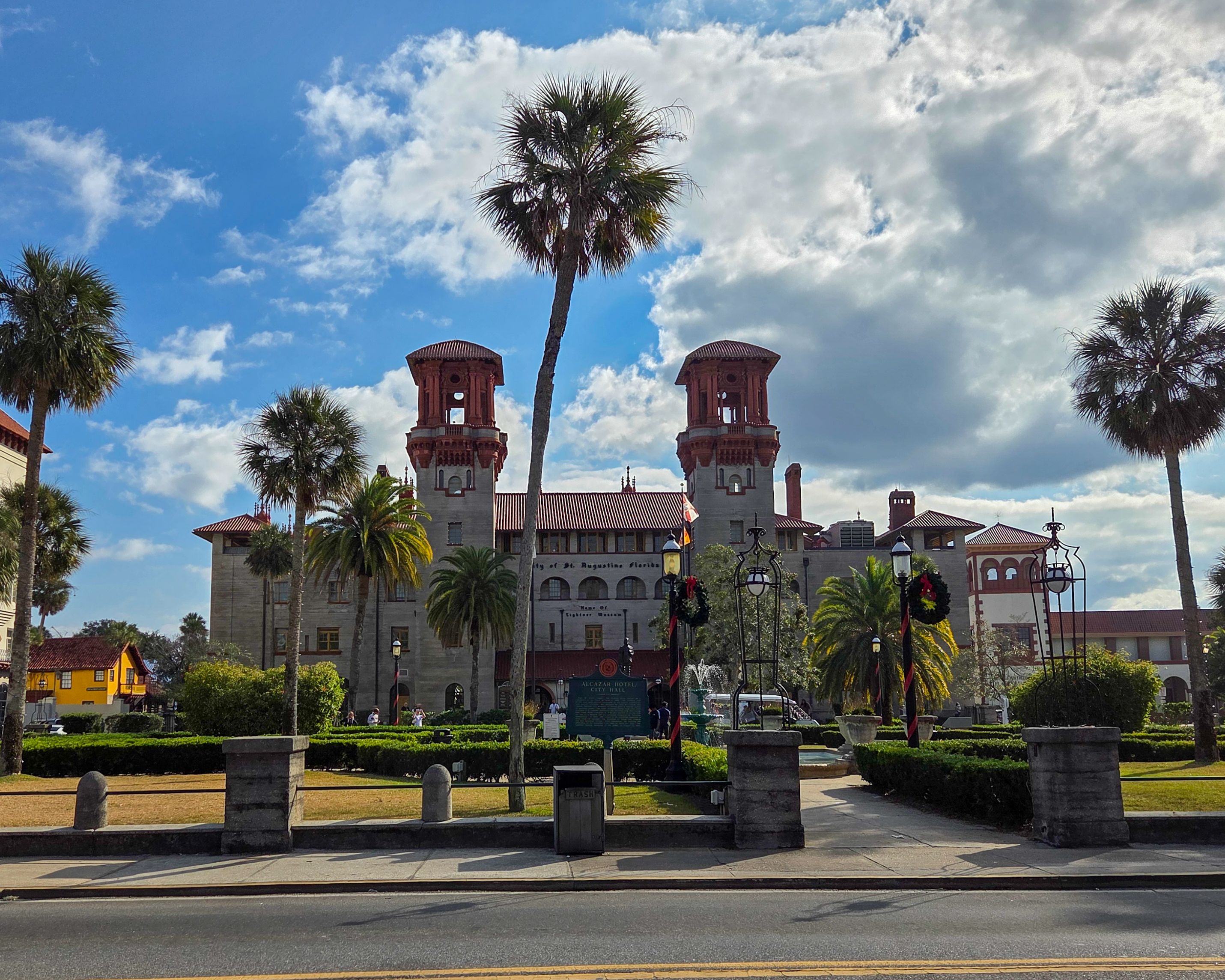
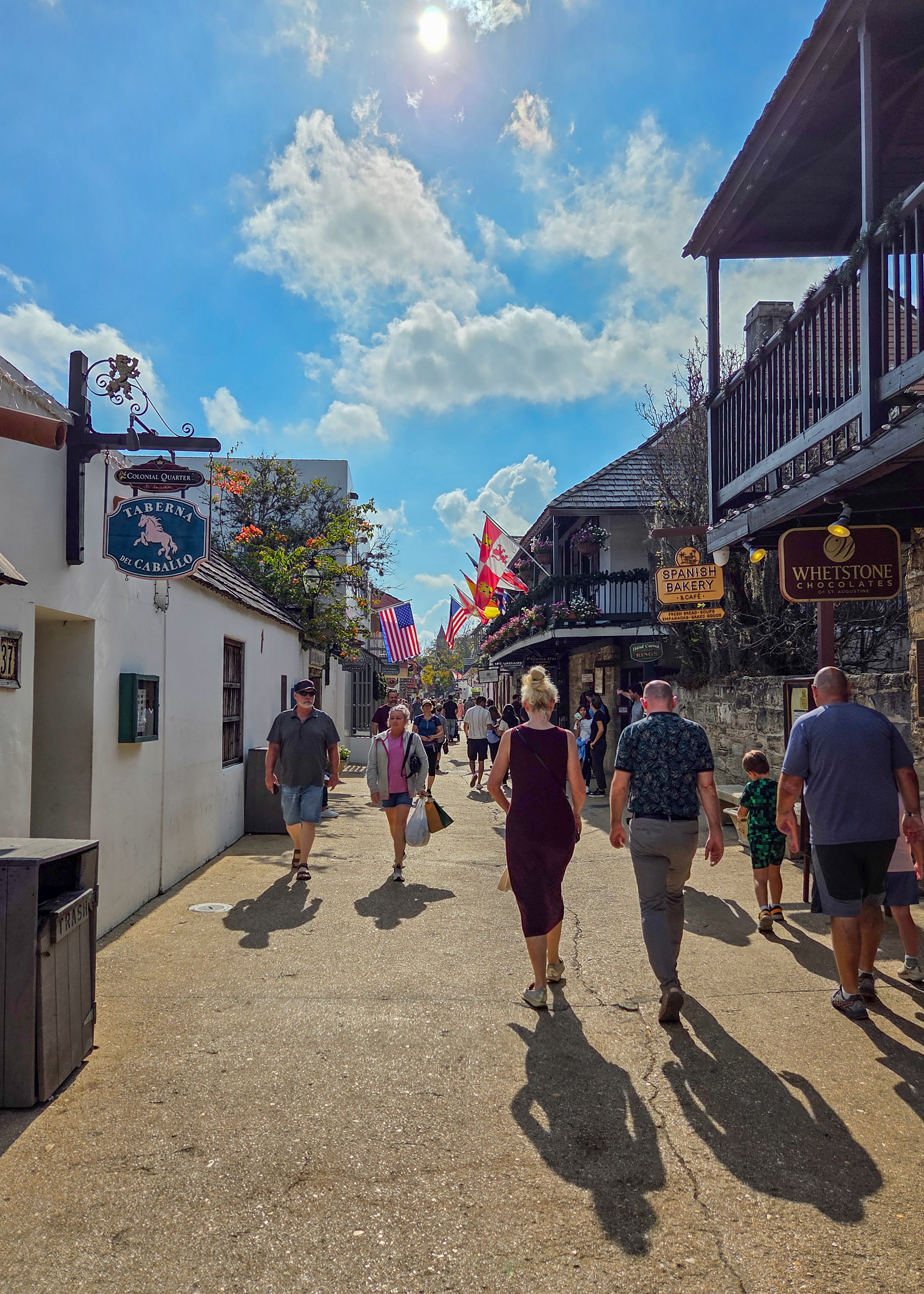
St. Augustine shines best on a leisurely city walking tour. Start near the Castillo de San Marcos and head south into the pedestrian-only St. George Street, the vibrant heart of the historic district. Lined with beautifully preserved colonial-era buildings, shady courtyards, boutique shops, art galleries, and cafés, it’s the perfect place to wander at your own pace. Keep an eye out for landmarks like the Oldest Wooden School House (a tiny cedar-and-cypress structure from the 1700s), the City Gates with their coquina pillars, the Pena-Peck House (a surviving First Spanish Period home), and the impressive Cathedral Basilica of St. Augustine.
Just off St. George Street on King Street, you’ll also find the former Hotel Alcazar — now home to the eclectic Lightner Museum, filled with Gilded Age antiques, art, and curiosities (its former indoor pool now serves as a charming café). The streets here feel like stepping back in time, with narrow lanes, coquina walls, and hidden courtyards around every corner. It’s best explored mid-morning or early evening to avoid peak crowds, and comfortable shoes are a must for the brick and uneven surfaces.’
Final Tips for your St. Augustine Visit
Day 2 taught us that in a city this old, timing is everything. Our early 8:00 a.m. start was the “pro-move” that saved our day, allowing us to enjoy the Castillo before the midday heat and crowds arrived. If you’re planning your own Southeast road trip, remember: look past the neon signs and look toward the National Park service sites, that’s where the real magic of St. Augustine lives.
Don’t forget to check out the interactive map on Polarsteps to see our exact walking route through the historic district!
Up Next: The scenery changes from Spanish Renaissance to Lowcountry wild. Day 3 takes us to the Golden Isles of Georgia!



Leave a Reply