As the year came to a close in late December 2025, the Jain family traded the hustle and bustle for a fun, history-filled 4-day coastal road trip from Florida’s Atlantic shore to Georgia’s Lowcountry. What started as a fun trip through the First Coast and Georgia Lowcountry became one of awe and wonder. There was so much of Florida and Georgia that we had just not seen. It was 486 miles of roaring race tracks, historic St. Augustine, haunting driftwood beaches, centuries-old live oaks dripping with Spanish moss, and the elegant charm of Savannah.
I tracked every mile, photo, and highlight live on Polarsteps, and you can explore the full interactive map, day-by-day timeline, and all our pictures right here:
👉 View the full “Florida – Georgia Trip 2025” on Polarsteps
In this post, I’m sharing Day 3 of the trip: Jekyll Island & St. Simons Island, all the must-see stops along Georgia Lowcountry, plus practical tips and hidden gems to help you plan your own Southeast road trip.
- Day 1: Daytona Beach, Florida
- Day 2: St. Augustine, Florida
- Day 3: Jekyll Island & St. Simons Island, Georgia
- Wormsloe & Savannah, Georgia
Day 3: Jekyll Island & St. Simons Island – Driftwood Shores, Sea Turtles & Coastal Serenity
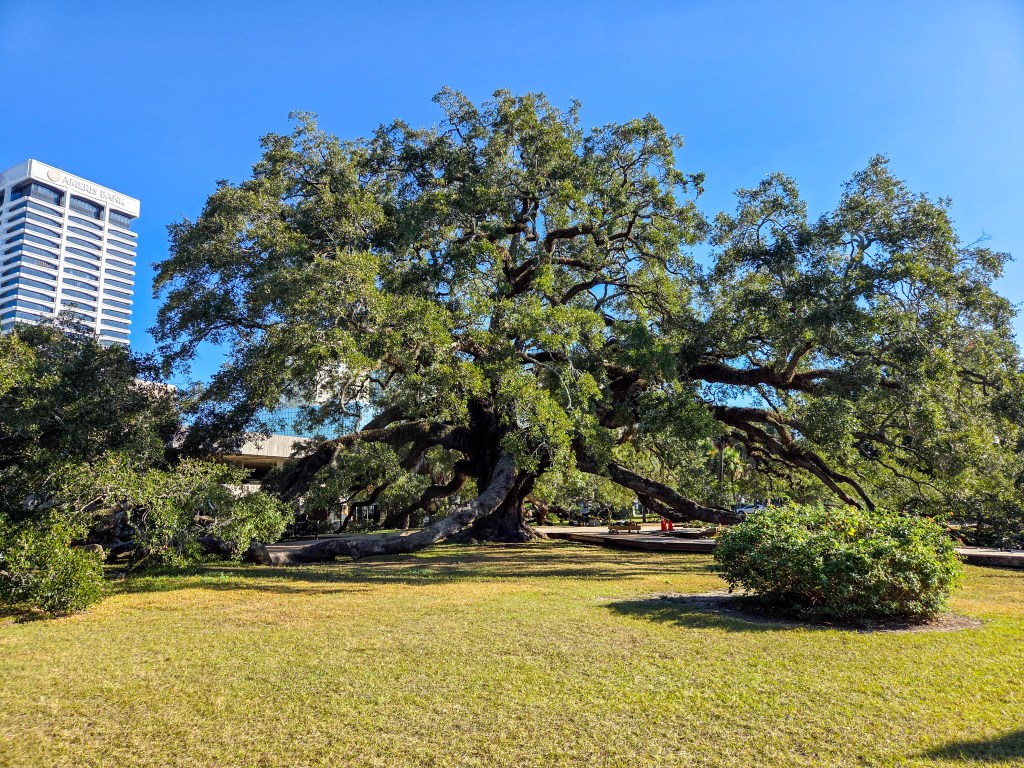
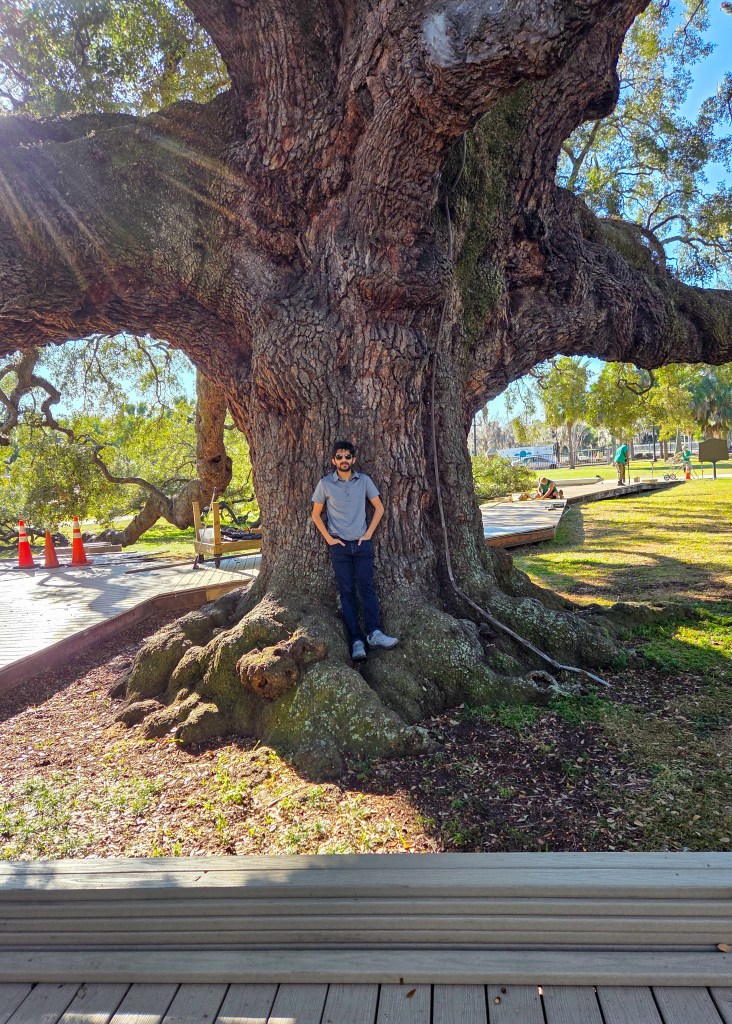
As day 3 started, we decided to make a quick pit stop in Downtown Jacksonville before departing for Savannah, GA. Tucked within Jessie Ball duPont Park is a 250+ year-old Southern Oak, Treaty Oak, which predates the founding of the United States. With a trunk over 25 feet in circumference, standing 70 feet tall, and a sprawling canopy that stretches more than 145 feet wide, its twisting, low-hanging branches give it a dramatic, octopus-like appearance that invites you to linger in its shade.
Our first stop on the route to Savannah was Jekyll Island (~2 hours drive from Jacksonville). The island has a rich history. Originally bought by a group of millionaires — including the Rockefellers, Vanderbilts, Pulitzers, Morgans, and others representing up to one-sixth of the world’s wealth at the time — and formed the exclusive Jekyll Island Club. It was acquired by the State of Georgia in 1947. To enter the island, there is an $8-per-vehicle daily parking/entry fee (annual passes available).
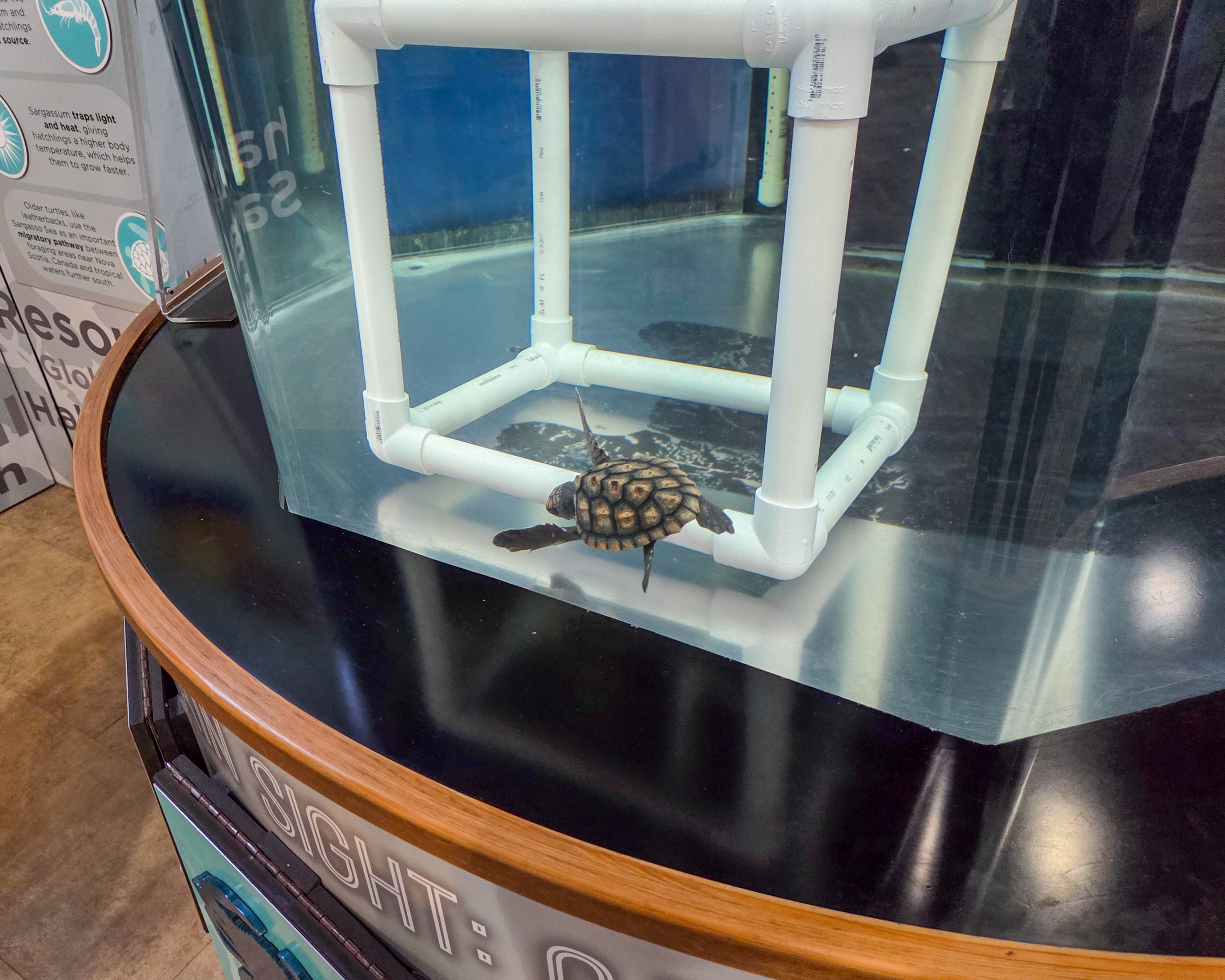
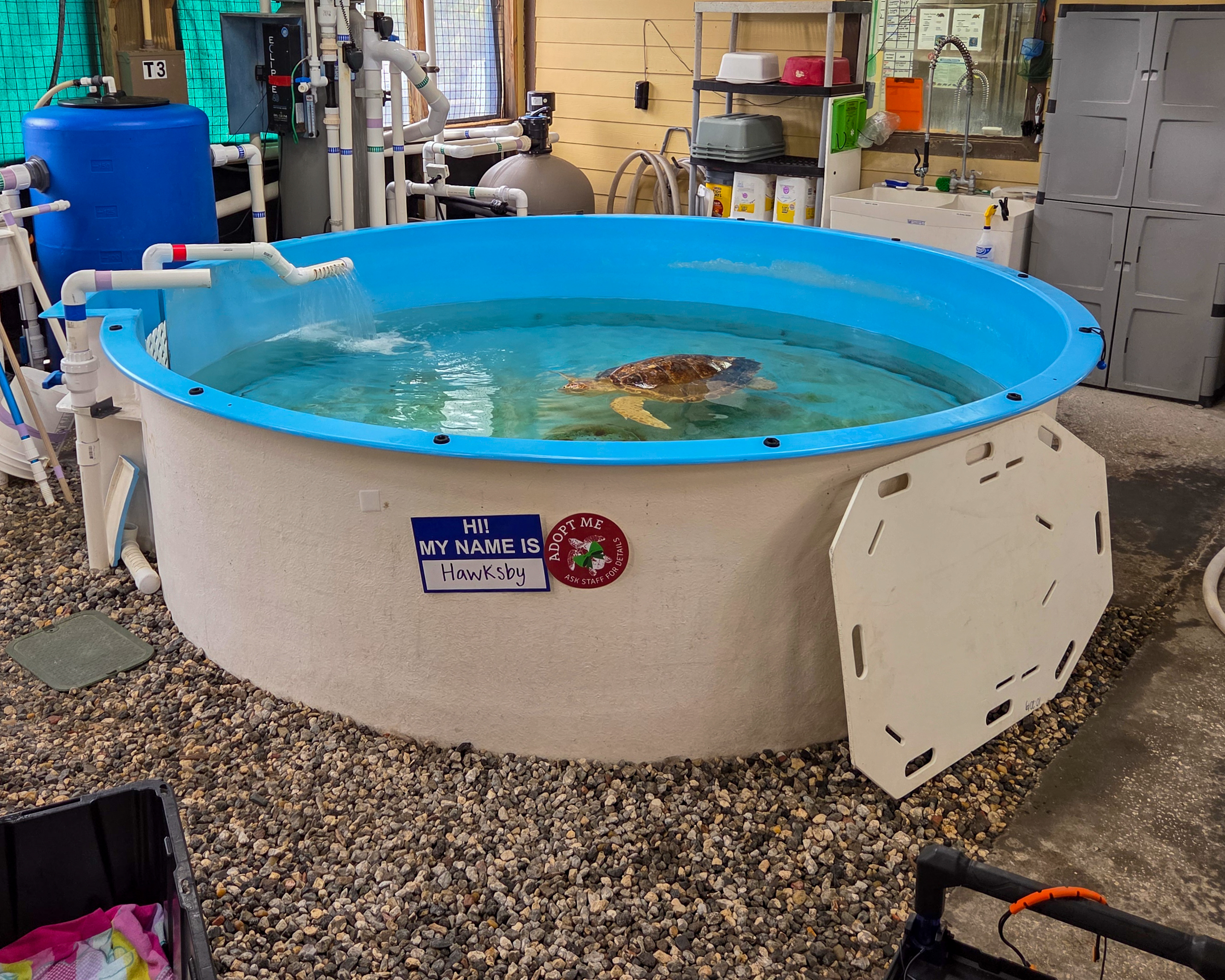
On Jekyll Island, two standout experiences perfectly capture the island’s blend of conservation and wild natural beauty. The Georgia Sea Turtle Center, Georgia’s only sea turtle education and rehabilitation facility, offers an up-close look at the rescue and recovery of these endangered animals. Open daily from 9 a.m. to 5 p.m. (closed Thanksgiving and Christmas), the center features interactive exhibits, a viewing window into the hospital area, and special programs like behind-the-scenes tours. Admission is $12 for adults (13+) and $10 for children (4-12), with 100% of fees supporting patient care — making your visit directly help the turtles.
The Tea-Inspired Travelers of Jekyll Island
During the stop at the Georgia Sea Turtle Center, the recovery tanks were filled with a special group of patients: the “Tea Turtles.” These names aren’t just a quirky theme; they represent a cohort of survivors currently recovering from a phenomenon known as a “Cold Stun.”
What is a Cold Stun?
Because sea turtles are ectotherms (cold-blooded), they cannot regulate their own body temperature. When the North Atlantic waters suddenly drop below 50 degrees Fahrenheit, their systems essentially shut down. This severe hypothermia leads to:
- Lethargy: Turtles become unable to swim or lift their heads to breathe.
- Metabolic Collapse: Their heart rate drops to just a few beats per minute.
- Stranding: Unable to move, they float helplessly until tides wash them ashore.
The Cape Cod “Hook”
You might wonder why turtles from Massachusetts are being treated in Georgia. Cape Cod’s unique geography acts as a natural trap. As turtles attempt to migrate south for the winter, they get caught in the “hook” of Cape Cod Bay. Their instinct tells them to keep heading south, but the land barrier forces them into shallow, rapidly cooling waters.
When northern hospitals reach capacity during these mass-stranding events, the Georgia Sea Turtle Center steps in as a critical relief hub.
Keep an eye out for Earl Grey, a particularly unique resident. He is a rare hybrid: a cross between a Kemp’s ridley and a Loggerhead, and a perfect example of why the conservation work here is so vital.
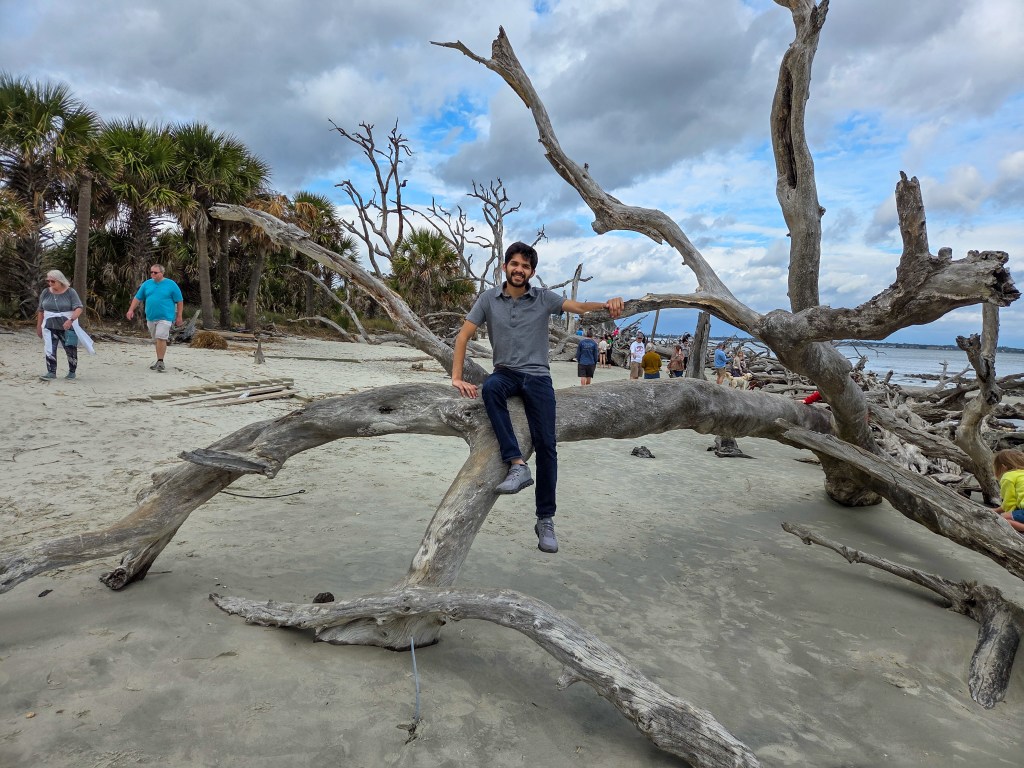
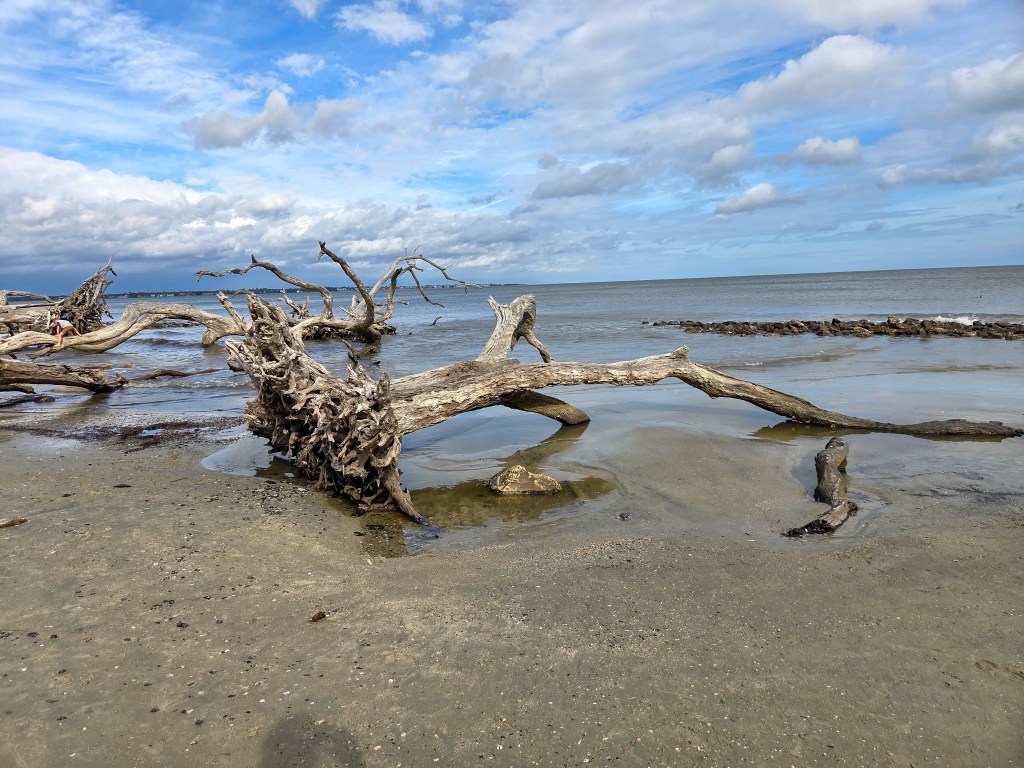
Just a short drive or bike ride away lies the iconic Driftwood Beach, where sun-bleached, wave-sculpted tree skeletons create a hauntingly beautiful landscape along the shore.
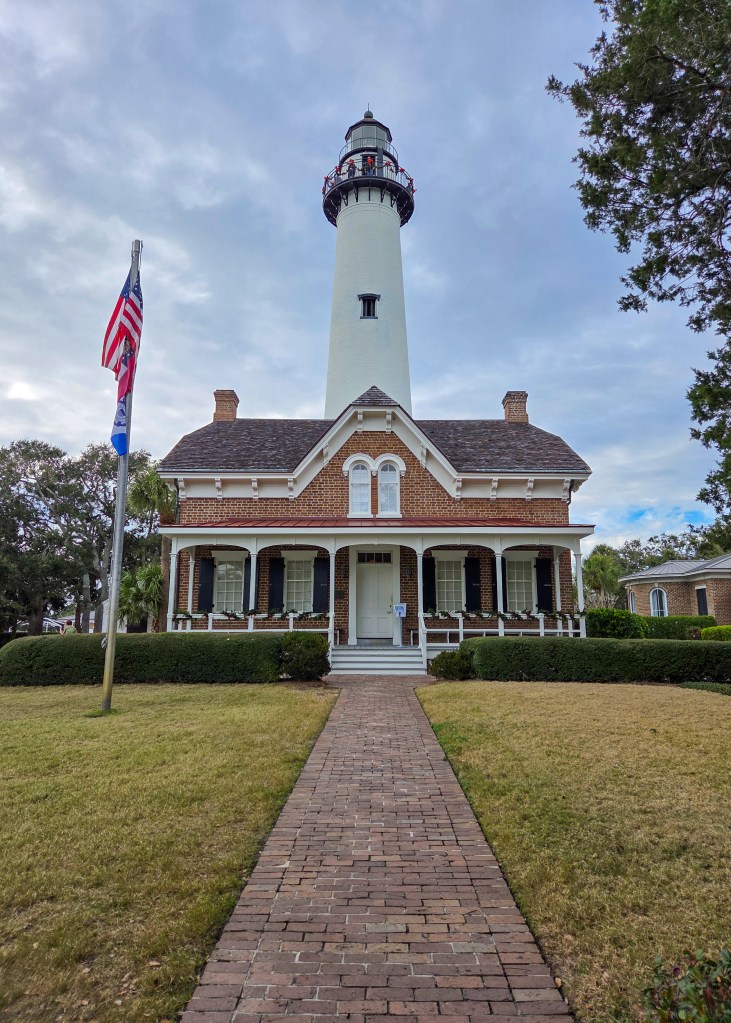
The next island we visited was a stone’s throw away, St. Simons Island, and two historic sites offer a fascinating glimpse into the island’s maritime and colonial past. The St. Simons Lighthouse and Museum, located in the charming Pier Village, stands 104 feet tall and has guided ships along the Georgia coast since its rebuild in 1872 (the original 1810 tower was destroyed by Confederate forces during the Civil War to prevent Union use). Visitors can climb the 129-step spiral staircase to the top for sweeping panoramic views of the coastline, Jekyll Island, and the Atlantic.
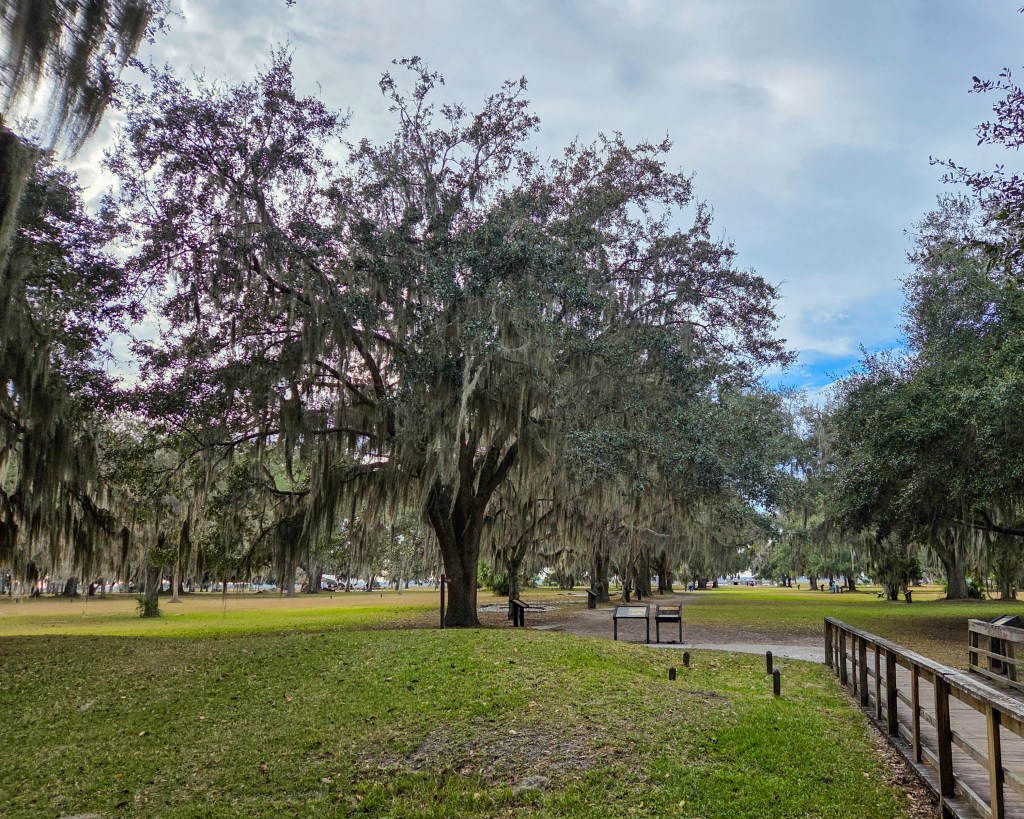
Just a short drive inland lies Fort Frederica National Monument, an archaeological site founded in 1736 by British General James Oglethorpe to defend the southern boundary of the new Georgia colony against Spanish forces from Florida. Once a thriving military town of about 1,000 soldiers and settlers, it played a key role in the War of Jenkins’ Ear, including the decisive Battle of Bloody Marsh in 1742 that helped secure Georgia as a British colony. Today, you can wander the grassy ruins, walk the tree-lined “Broad Street,” explore the visitor center with its short film, and imagine daily life amid moss-draped live oaks. The site is free to visit (managed by the National Park Service) and has flat, easy trails suitable for most visitors.
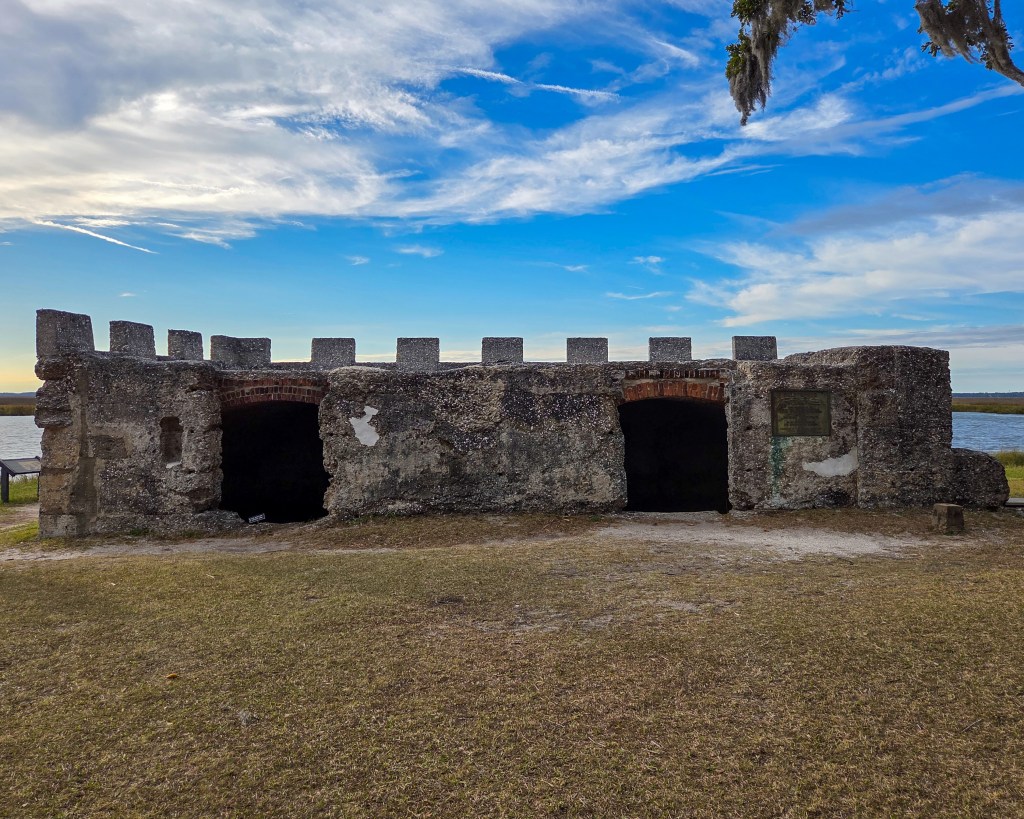
Reflections on the Golden Isles: Nature’s Resilience
Day 3 was a masterclass in coastal contrast. We began the morning under the massive, octopus-like canopy of an ancient oak in Jacksonville and ended it wandering the moss-draped ruins of a British frontier. There is a specific kind of serenity found in the Golden Isles. In this place, the weight of history (from the Gilded Age millionaires to the Battle of Bloody Marsh) feels perfectly balanced by the quiet, tireless work of conservation.
Leaving the Georgia Sea Turtle Center, you carry a new appreciation for the delicate balance of the Atlantic ecosystem. Seeing patients like Earl Grey reminds you that these islands aren’t just vacation spots; they are vital sanctuaries. Between the “skeletal” beauty of Driftwood Beach and the panoramic views from the St. Simons Lighthouse, the day provided endless inspiration for the camera lens.
Pro-Tips for Your Golden Isles Escape
- The Tide Matters: If you’re visiting Driftwood Beach specifically for photography, check the tide charts before you go. At high tide, much of the beach disappears, and the iconic fallen trees are partially submerged. For the best “skeletal” compositions, aim for mid to low tide.
- Logistics Check: While Jekyll Island has a $10 daily entry fee (which helps maintain the island’s infrastructure), Fort Frederica is a free National Monument. It’s one of the best “bang-for-your-buck” historical stops on the Georgia coast.
- Hydration Station: If you’re exploring the ruins of Fort Frederica in the afternoon sun, there’s very little shade along the “Broad Street” path. Carry water, or better yet, grab a Mango Green Tea (no ice!) before heading over.
Up Next: We’re trading the wild driftwood and quiet sanctuaries for the cobblestones and wrought-iron balconies of one of the South’s most haunted and beautiful cities. The final stop of the journey: Savannah, Georgia.


Leave a comment