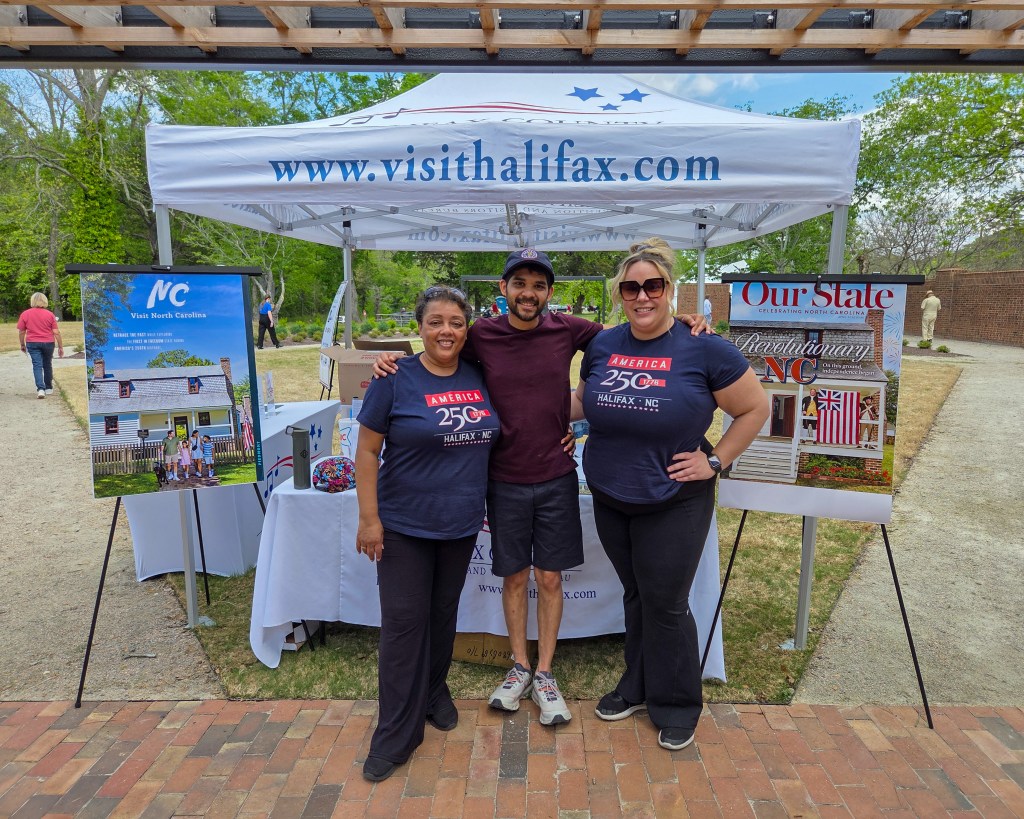
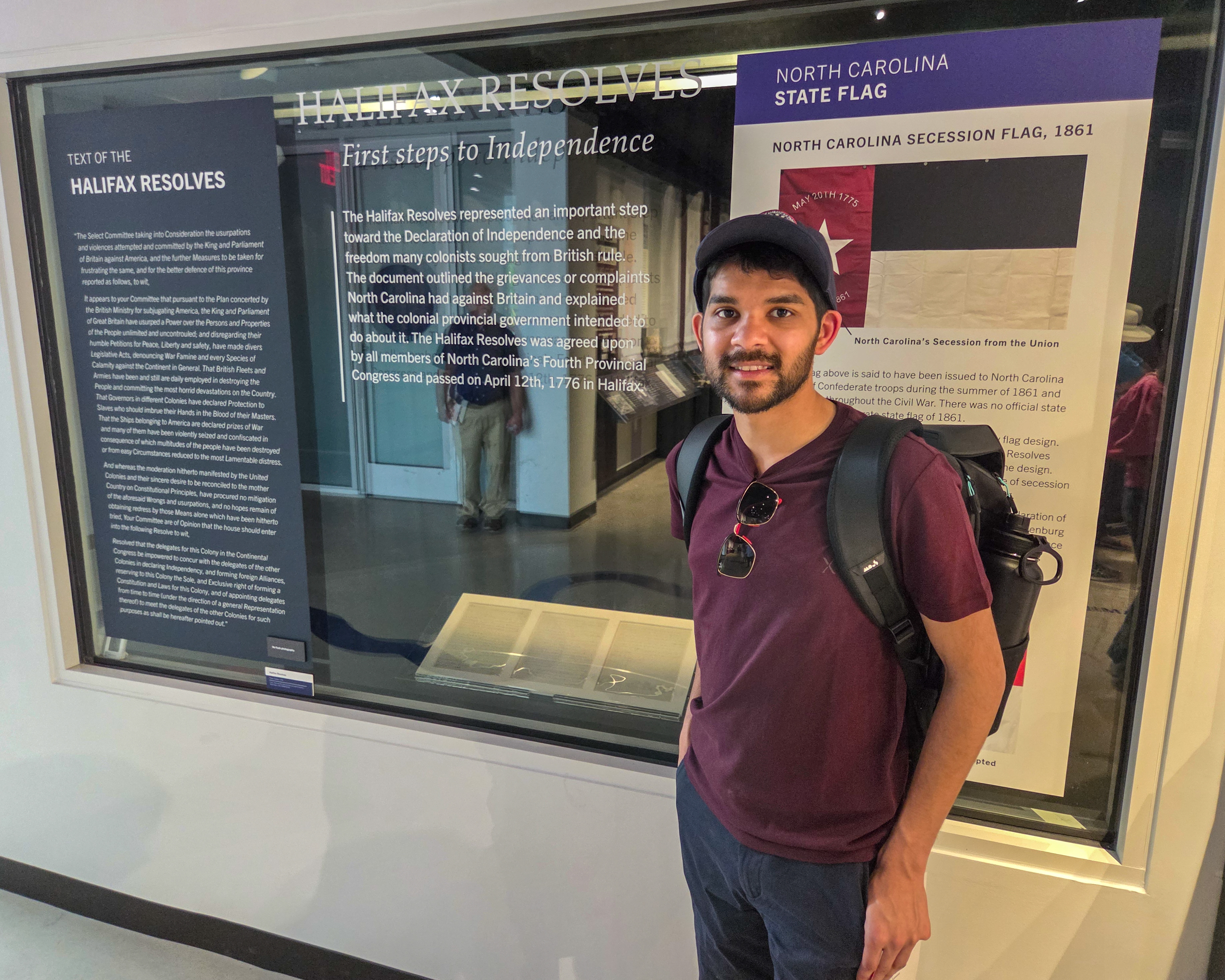
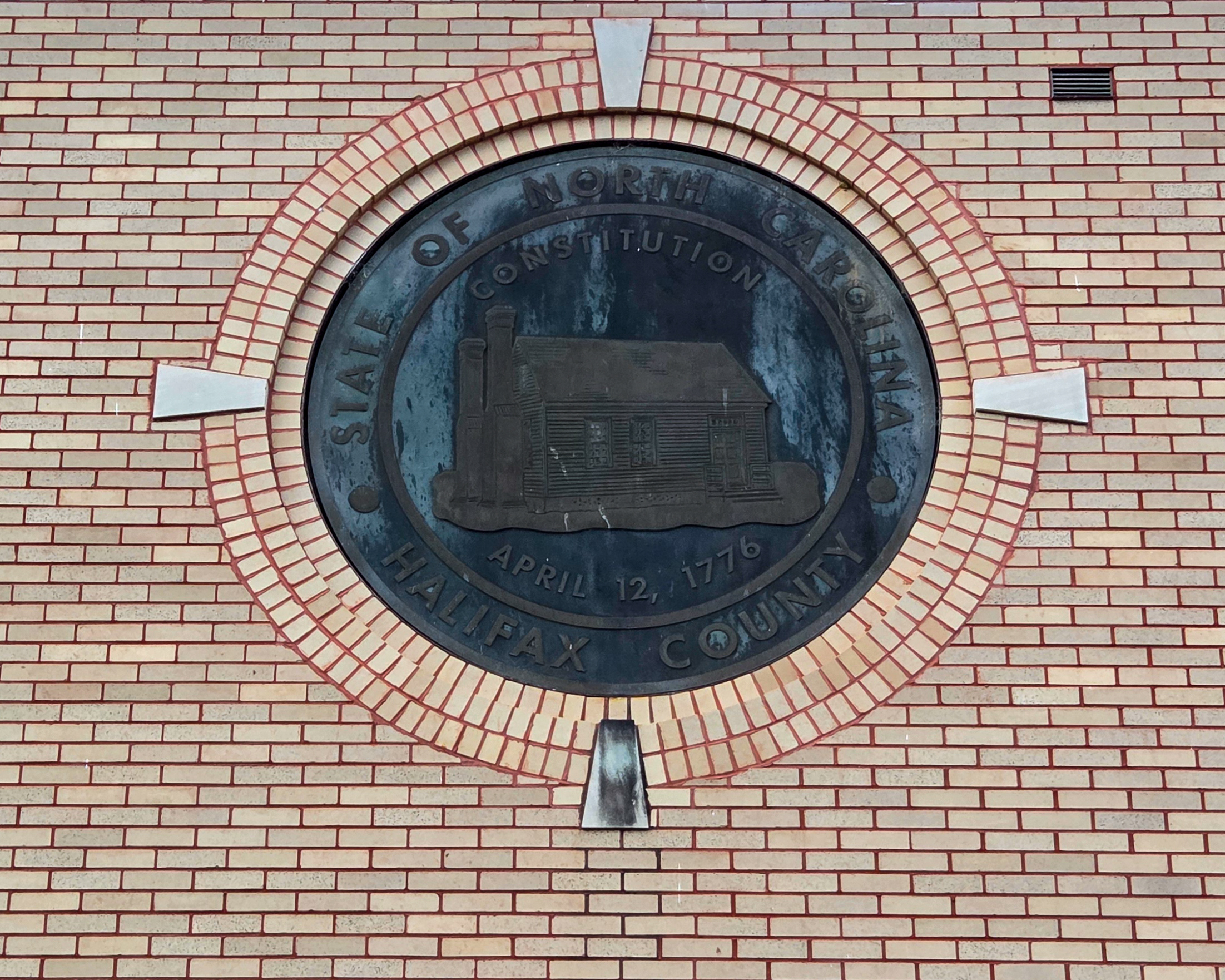
On April 12, 2026, I drove to the small town of Halifax, North Carolina, to celebrate a massive milestone in American history — the 250th anniversary of the Halifax Resolves.
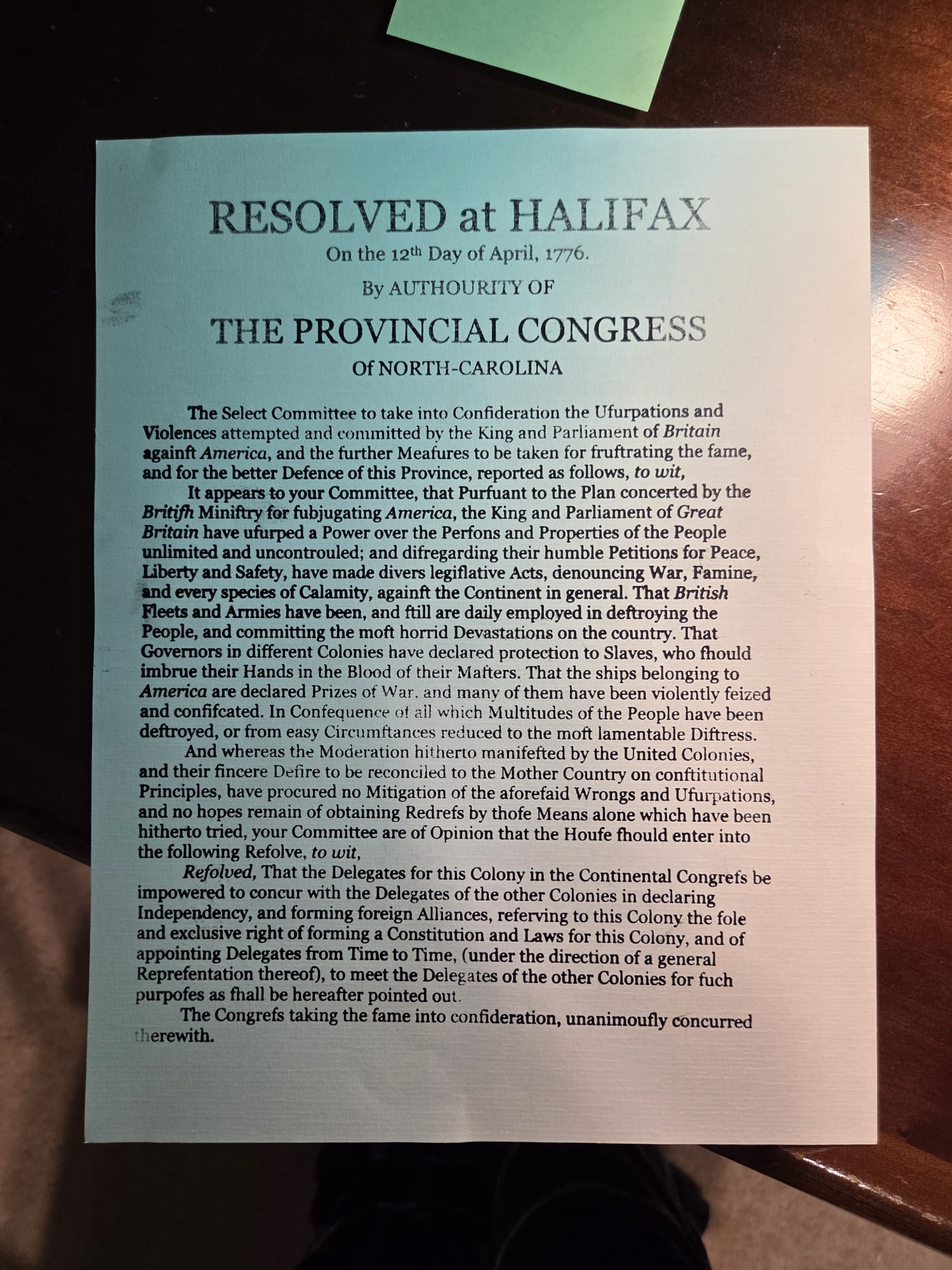
Exactly 250 years ago on this date, North Carolina became the very first colony to officially call for independence from Great Britain, paving the way for the Declaration of Independence later that year.
History
Because of its location on the Roanoke River, many people moved down from Virginia to settle in this area. By 1769, there were nearly 60 buildings. This made Halifax a bustling “metro” area and one of the premier cities in the colony.
In February 1776 (specifically February 27), the Battle of Moore’s Creek occurred nearby. After the Patriot victory, 50 Loyalists, including their leader, Brigadier General Donald MacDonald, were arrested and placed in the Halifax Jail for two months.
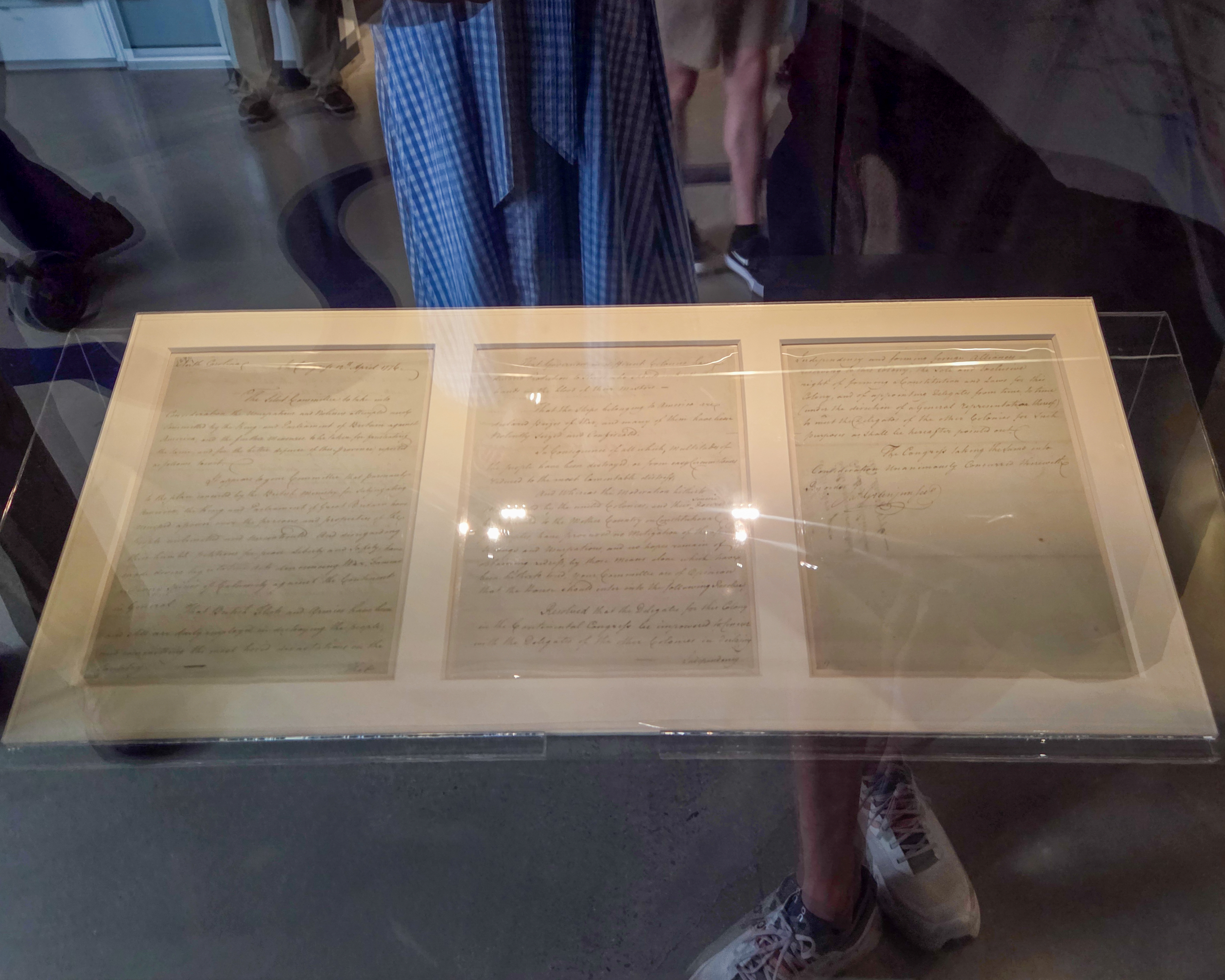
On April 12, 1776, the Fourth Provincial Congress drafted and submitted the Halifax Resolves and sent them to Philadelphia. The document was so well received that it laid the foundation for the Declaration of Independence.
Later, on October 15, 1776, the Fifth Provincial Congress drafted North Carolina’s first state constitution, and Richard Caswell was appointed the first governor.
The Day – April 12, 2026
250 years ago today, the Halifax Resolves were signed here in North Carolina, making our state the first colony (and later the first state) to officially call for independence from Great Britain.
Because of this historic milestone, there was a big event in Halifax this weekend — probably the biggest yet. I arrived around 12:30 PM, grabbed a quick lunch, and jumped into the tour.
Stepping into that town felt like slipping through a time portal straight into the mid-1770s, right on the eve of revolution. Everywhere I turned, people greeted me with warm, genuine friendliness and a deep well of historical knowledge. Vendors had traveled from across the East Coast, each one a true expert in their corner of the past.
What stood out most, though, were the tradespeople. Pennsylvania blacksmiths hammering away at glowing metals. Skilled tailors and mantua-makers with twenty-five, even thirty-five years of experience. These men and women don’t just reenact history, they live it with quiet passion and meticulous precision.
One fascinating detail I learned: in the 1700s, linen was actually cheaper than cotton. The cotton gin hadn’t been invented yet, making linen the everyday fabric of choice for common folk. Today, of course, the economics are reversed.
A mantua-maker pulled me aside and gave me a glimpse into her craft. “Back then, we didn’t use paper patterns or fancy dress forms,” she told me with a proud smile. “The lady herself was the mannequin.” She demonstrated how she would drape the fabric directly on her customer, pinning, cutting, and hand-stitching an entire gown in just a couple of long workdays.
Then she showed me something I’ll never forget: four simple measuring pieces that wrapped precisely around the waist and torso. These basic but accurate measurements served as the blueprint. A woman could send them to a dressmaker anywhere—even as far as Philadelphia—and receive a perfectly fitted custom gown in luxurious silk or fine cotton.
She explained how colonial women, especially everyday folk, wore layers upon layers: shifts, stays, petticoats, and gowns, all fitted carefully over those measurements. And when a stain appeared? They spot-cleaned it rather than washing the entire garment. Many fine gowns were never fully washed at all. The harsh lye soap would ruin the expensive fabric.
The most magical moment for me came when I sat down to write with a real feather quill and charcoal ink. The moment that scratchy nib touched the paper, I was instantly transported back in time, feeling exactly as men and women of the era must have felt.
What I Bought & Who I Met
- I picked up a book called A Price for Home Grown from one of the local vendors and the author, W. Earl Daniels. It looks like a fantastic read and has already given me some fresh ideas for my own writing!
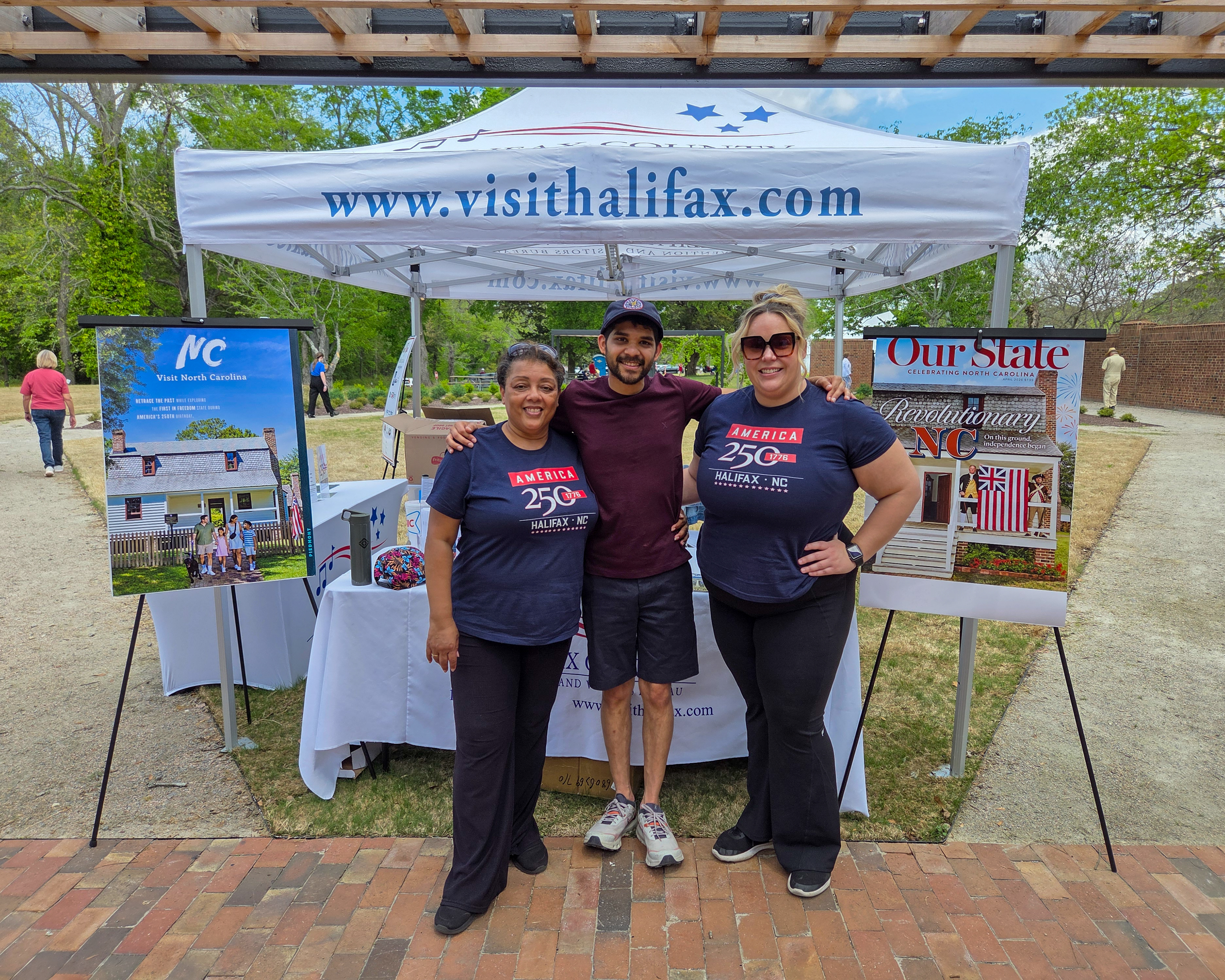
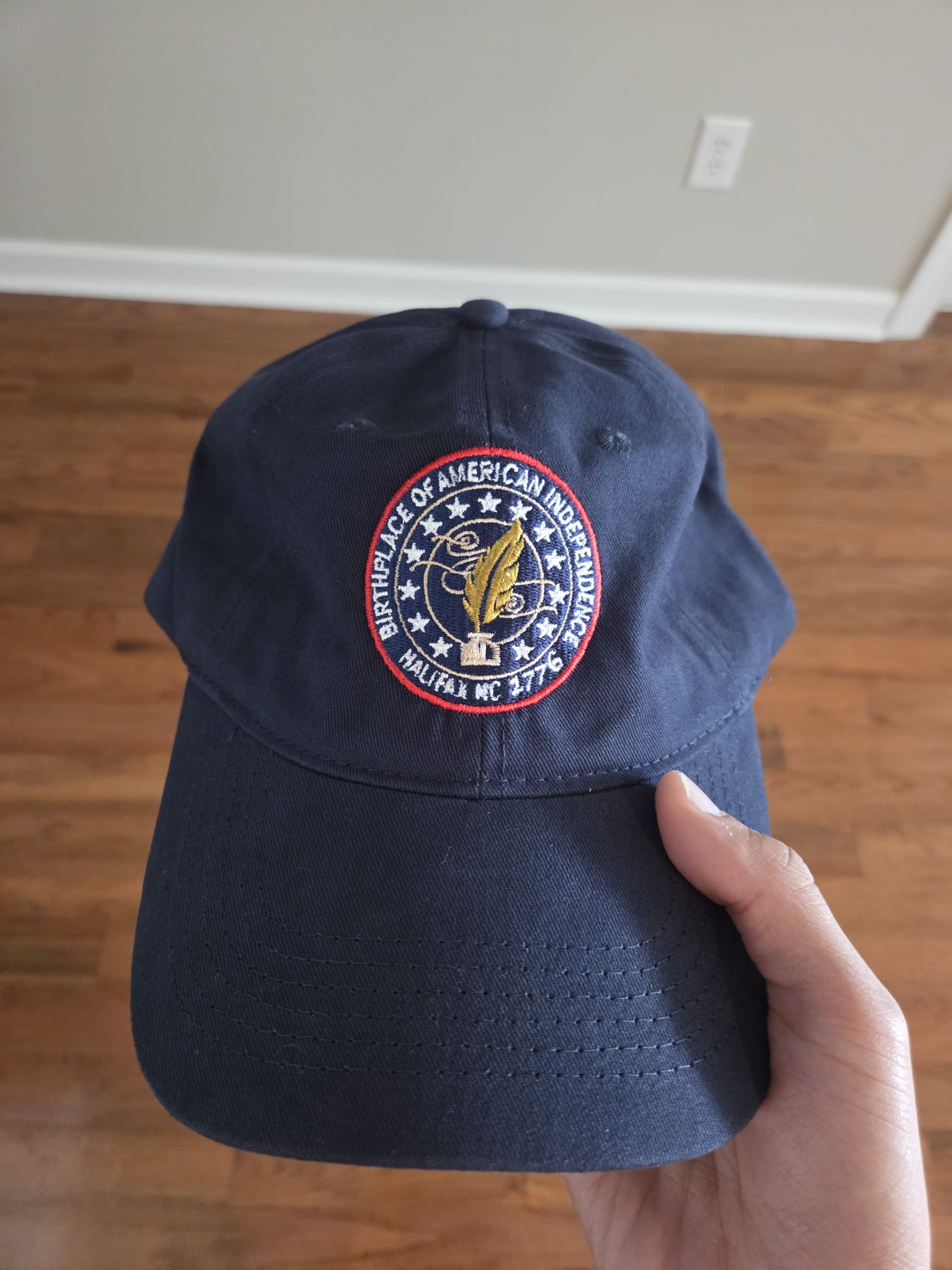
- Two wonderful ladies were manning the Halifax booth. They gave me so many goodies, and as I was leaving, one of them chased me down to gift me a special cap marking the 250th anniversary of the Halifax Resolves. Such a kind gesture!
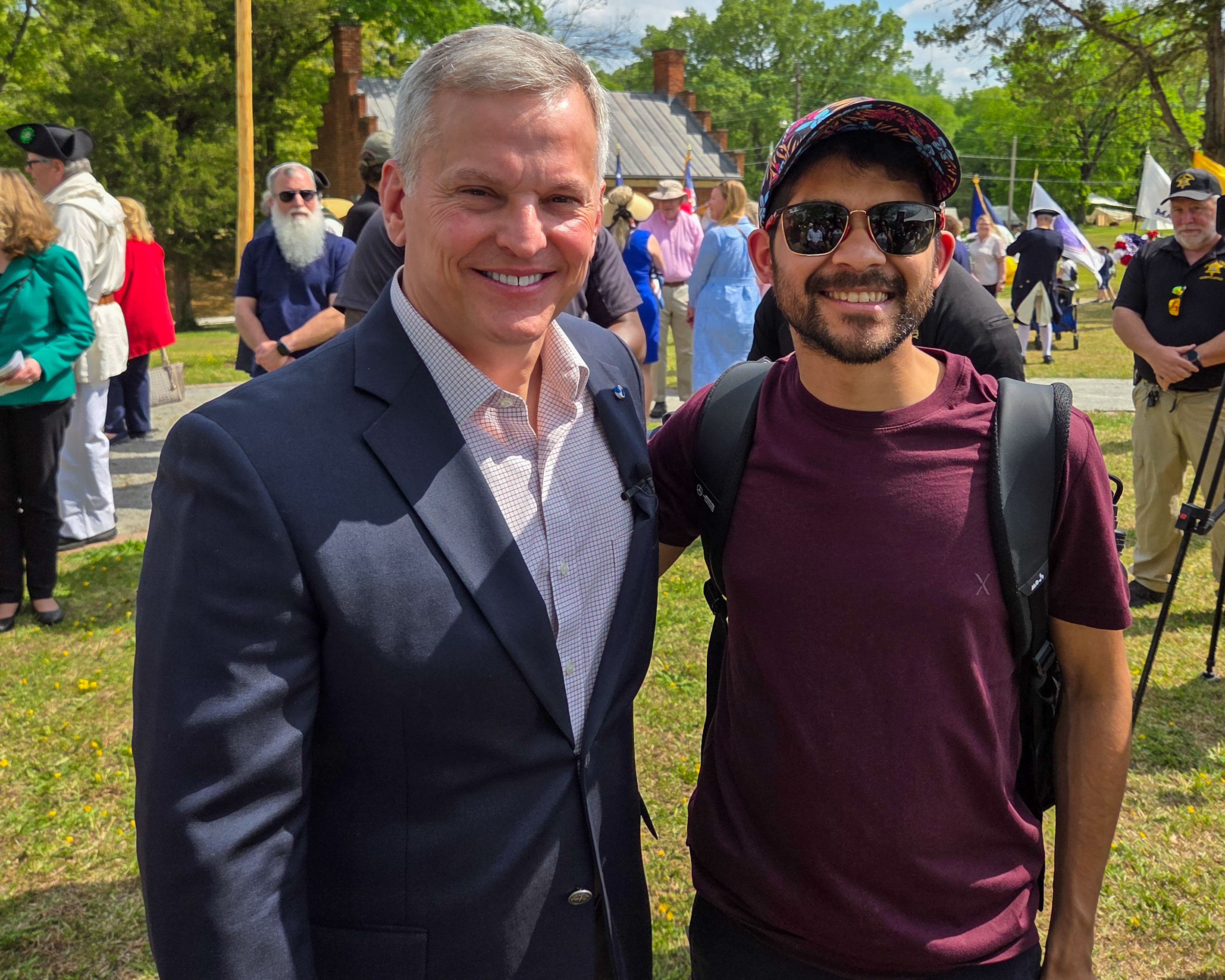
- The highlight of the day was meeting Governor Josh Stein.
Moments from the Halifax Resolves 250th Anniversary
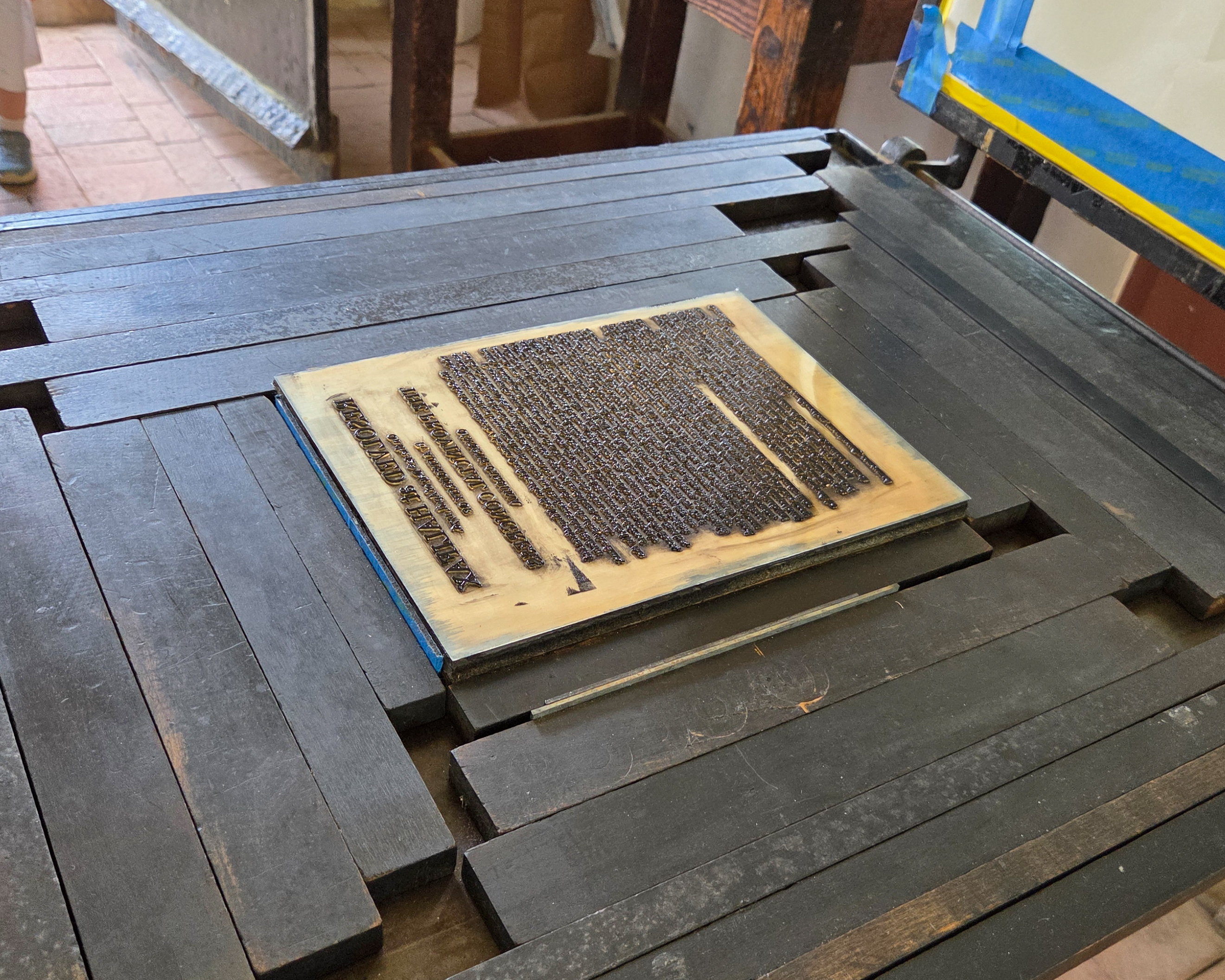
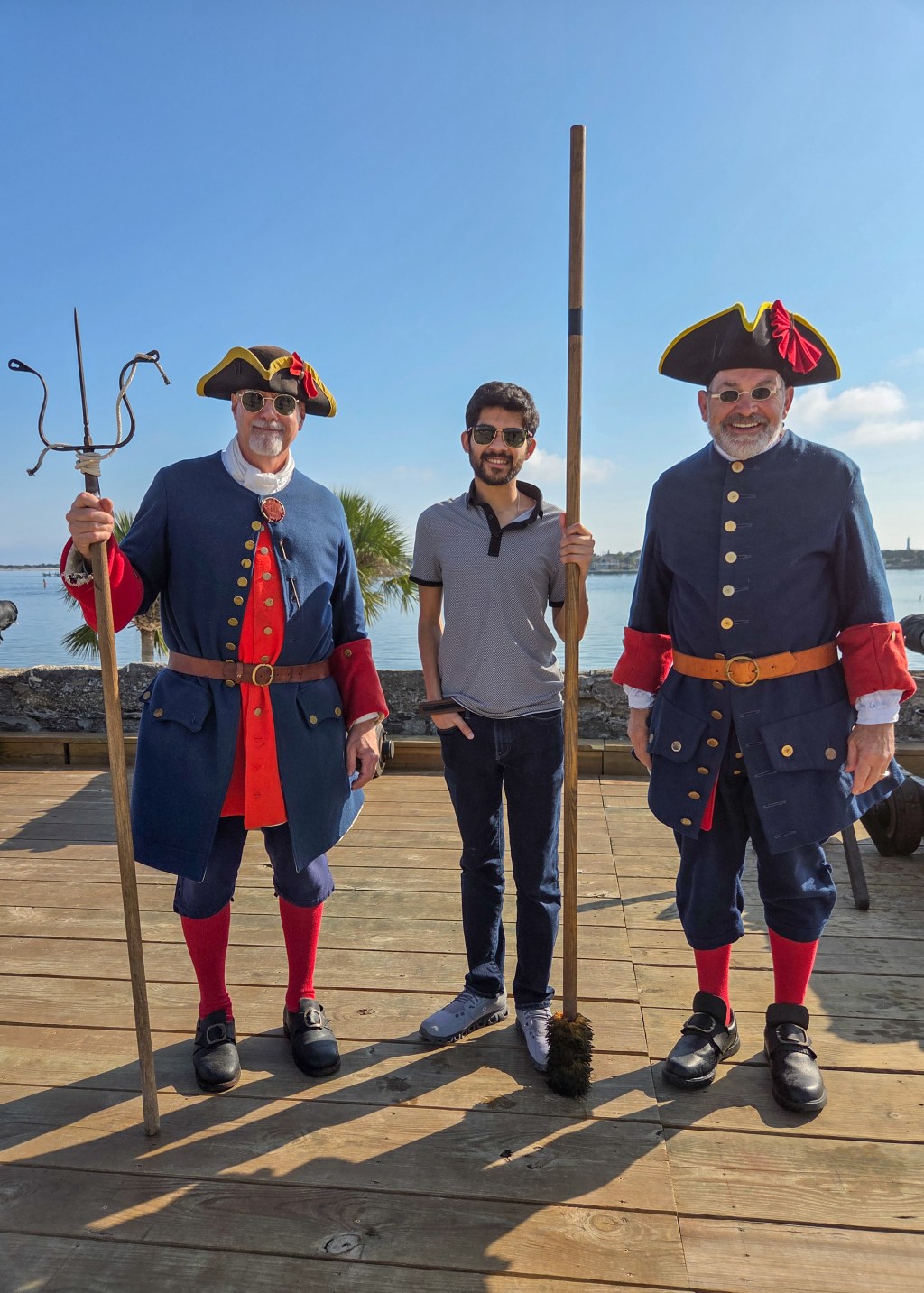
Here’s my Instagram carousel from the day — featuring the special 250th cap I was gifted, meeting Governor Josh Stein, the friendly folks in period costumes, the original Halifax Resolves documents on display, and some cool historical artifacts like the printing press!
Why This Matters
Standing in Halifax made history feel incredibly real. The American Revolution wasn’t only fought in Philadelphia or Boston; it was built on the courage of people in small towns like this one across the colonies. North Carolina’s early stand for independence deserves to be remembered and celebrated.
If you’re ever near Roanoke Rapids or Halifax, NC, I highly recommend visiting. The town is full of stories, and the people who keep that history alive are wonderful, especially on the annual Halifax Day (April 12th).
Have you ever visited a Revolutionary War site that surprised you? Drop a comment below. I’d love to hear about it!
For more on North Carolina’s official America 250 commemorations and the Halifax Resolves 250th anniversary events, visit America250 – North Carolina (Official Site) and VisitHalifax (Official Site).


 The Traveler - Experiences by Rohan
Leave a comment